BIM Implementation in a Mixed-Use Development
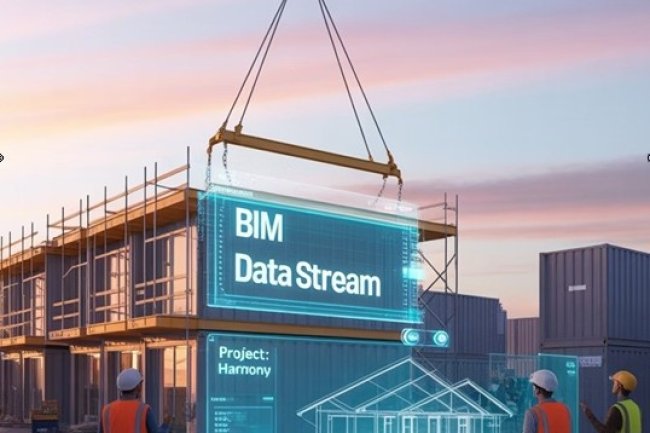
Building Information Modeling is transforming how we approach complex projects that blend residential, commercial, and public spaces. When multiple stakeholders, diverse systems, and varying requirements converge in a single development, traditional coordination methods often fall short. This is where BIM becomes not just useful, but essential—offering a digital framework that brings clarity, efficiency, and collaboration to every phase of the project lifecycle.

Why Mixed-Use Projects Need BIM
|
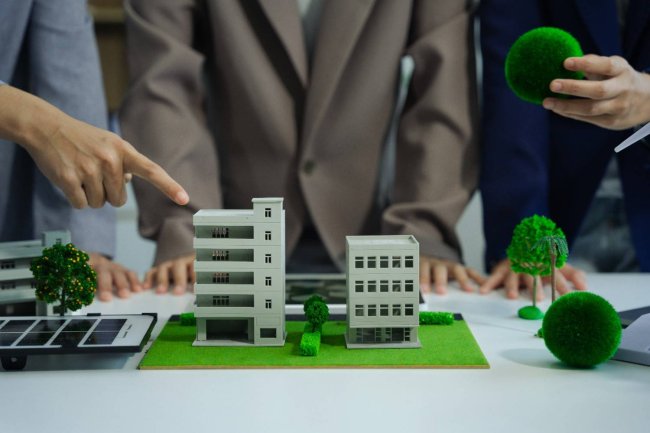
Mixed-use developments present unique challenges that make them ideal candidates for BIM adoption. These projects combine different building types—residential units, retail spaces, offices, parking structures—each with distinct mechanical, electrical, and plumbing requirements. The complexity multiplies when you consider varying occupancy schedules, differing code requirements, and the need to maintain operational independence while sharing core infrastructure. Without a unified digital model, coordination gaps emerge, leading to costly rework and schedule delays. BIM creates a single source of truth where all disciplines work within a shared environment, catching conflicts before they reach the field and enabling informed decision-making from concept through construction and into facility management. |
|
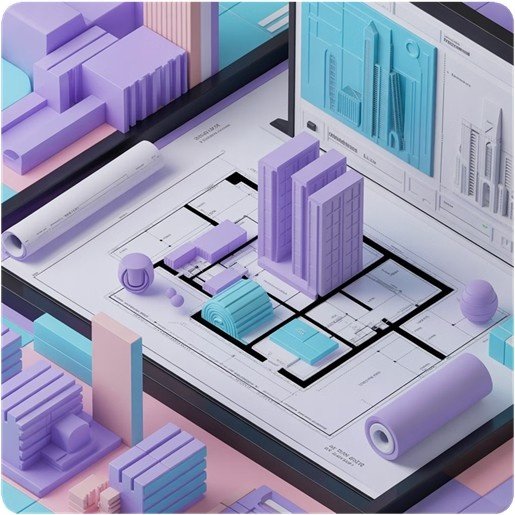
The Four Pillars of Successful BIM Implementation
Tip: Use a BIM Execution Plan (BEP) to capture these pillars formally and track adoption milestones.
Early Phase: Setting the Foundation
The success of BIM in mixed-use projects begins long before construction starts. During schematic design and design development, the digital model becomes a testing ground for spatial relationships, structural systems, and program viability.
Early collaboration between architects, structural engineers, and MEP designers allows teams to explore how residential floors stack above retail spaces, how parking structures integrate with the building core, and where shared mechanical systems can serve multiple programs efficiently. This front-loaded coordination prevents the discovery of major conflicts during construction documents—when changes become exponentially more expensive.
At this stage, companies like Consac provide specialized BIM and engineering services that help project teams establish robust digital workflows, ensuring models are built to support coordination, analysis, and downstream construction activities from the earliest phases.
Coordination Phase: Where BIM Shows Its Value
-
01
Model Federation
Combine architectural, structural, and MEP models into a unified coordination environment where all systems are visible together.
-
02
Clash Detection
Run automated clash detection to identify conflicts between disciplines—ductwork intersecting beams, plumbing conflicting with structure, or conduit paths blocked by architecture.
-
03
Resolution Meetings
Conduct regular coordination meetings where teams review clashes, prioritize resolutions, and document agreed-upon solutions in the model.
-
04
Model Updates
Update individual discipline models to reflect coordinated solutions, then re-federate and re-check to ensure conflicts are resolved without creating new issues.
-
05
Documentation
Generate coordinated construction documents directly from the resolved model, ensuring drawings reflect the most current coordination decisions.
This iterative process dramatically reduces field conflicts and change orders, especially in dense areas like mechanical rooms, vertical shafts, and ceiling spaces where multiple trades converge.
Quantifiable Benefits of BIM in Mixed-Use Projects
40%
Fewer RFIs
Reduction in requests for information due to clearer documentation and preconstruction coordination.
65%
Clash Prevention
Decrease in on-site conflicts when comprehensive clash detection is performed during design.
30%
Faster Approvals
Reduction in permit review time when submitting coordinated BIM models to authorities.
25%
Schedule Gains
Improvement in construction schedules through better sequencing and prefabrication opportunities.
These benefits compound in mixed-use developments where complexity and stakeholder coordination demands are higher than typical single-use buildings.
Getting Started: Your BIM Implementation Roadmap
Define Your BIM Goals
Identify what you want to achieve—better coordination, cost savings, faster schedules, or improved facility management—and align your BIM execution plan accordingly.
Assemble Your Team
Engage BIM-capable consultants and contractors early. Ensure contract language supports collaborative modeling and defines responsibilities clearly.
Establish Standards
Create project-specific BIM standards covering naming conventions, level of development requirements, model organization, and deliverable formats.
Execute and Monitor
Implement regular model coordination sessions, track clash resolution progress, and maintain quality control throughout the project lifecycle.
Ready to implement BIM on your next mixed-use project? The investment in proper BIM workflows pays dividends in reduced errors, improved coordination, and long-term facility management efficiency. Start with clear goals, involve the right partners, and commit to the collaborative process—your project's success depends on it.
What's Your Reaction?