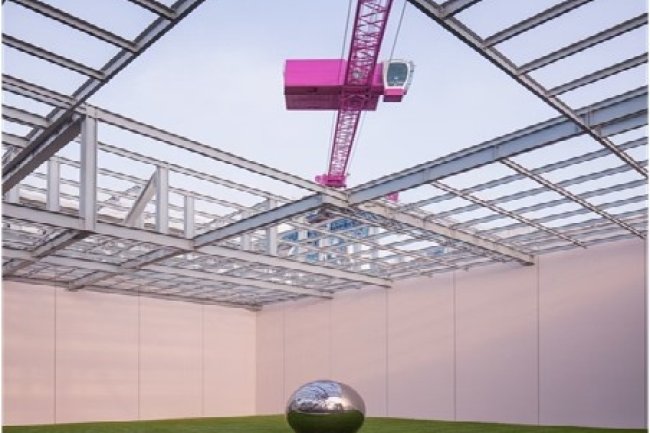
Prefabrication of Light Gauge Steel Components Using BIM
BIM enables the prefabrication of light gauge steel components with high digital precision. Coordinated models guide off-site manufacturing, ensuring accurate dimensions, clash-free assemblies, and streamlined on-site installation, enhancing overall construction efficiency.

The Evolution of Light Gauge Steel Construction
|
Light gauge steel (LGS) framing has evolved from a niche solution into a mainstream construction method. Its lightweight yet strong characteristics suit residential, commercial, and industrial projects. Integrated with Building Information Modeling (BIM), LGS prefabrication achieves high accuracy, faster schedules, and cost efficiency. Traditional steel framing relied heavily on on-site labor, generating material waste and schedule risks. BIM-driven prefabrication shifts this complexity to a controlled manufacturing environment, reducing errors and streamlining construction workflows. |
|

Why BIM Changes Everything for LGS Prefabrication
Design Precision
BIM creates a comprehensive 3D digital model capturing every connection, fastener, and dimension. This eliminates the guesswork and reduces field conflicts by up to 80%, ensuring components arrive job-ready.
Manufacturing Control
Digital models feed directly into CNC machinery and automated cutting systems. This integration ensures millimeter-level accuracy across thousands of components while maintaining consistent quality standards throughout production.
Clash Detection
Before a single piece of steel is cut, BIM identifies conflicts between structural, MEP, and architectural elements. Early coordination saves weeks of rework and prevents costly on-site modifications.
The Complete BIM-to-Fabrication Workflow
3D Model Development
Architects and engineers create detailed BIM models with precise LGS framing specifications, load calculations, and connection details integrated into every element.
Coordination & Validation
Multi-discipline teams review the model, running clash detection and structural analysis to validate constructability before fabrication begins.
Shop Drawing Generation
BIM automatically produces fabrication drawings, cut lists, and assembly sequences, eliminating manual drafting errors and accelerating approval timelines.
Automated Fabrication
CNC machines receive data directly from the model, cutting, punching, and labeling components with perfect accuracy and minimal material waste.
Quality Control & Packaging
Each component is verified against the digital model, tagged with assembly identifiers, and packaged in installation sequence for seamless delivery.
On-Site Assembly
Crews use mobile BIM viewers to access 3D assembly instructions, ensuring rapid installation with minimal supervision and maximum accuracy.
Measurable Benefits: By the Numbers
40% Faster Construction
BIM-driven LGS prefabrication reduces on-site construction time compared to traditional stick-built methods, accelerating project delivery significantly.
30% Material Waste Reduction
Precise digital cutting and optimized nesting patterns minimize scrap, delivering substantial cost savings and environmental benefits across large projects.
60% Labor Efficiency Gain
Pre-assembled components and clear digital instructions allow smaller crews to accomplish more, reducing labor costs while maintaining quality standards.
90% Fewer Field Changes
Comprehensive digital coordination eliminates most onsite modifications, keeping projects on schedule and within budget throughout construction.
Real-World Applications Across Project Types
Multi-Family Residential
BIM enables rapid design of repetitive floor plans with prefabricated wall panels, floor trusses, and roof systems. Projects that once took 18 months now complete in 12, with superior dimensional accuracy for drywall and finish trades.
Commercial Office Buildings
Complex façade systems and interior partition walls benefit from BIM's coordination capabilities. Companies like Consac leverage advanced detailing to integrate LGS framing seamlessly with curtain walls, MEP systems, and architectural features.
Healthcare Facilities
Hospital projects demand precision for critical infrastructure coordination. BIM-prefabricated LGS components accommodate dense MEP requirements while maintaining strict infection control barriers and enabling phased construction in occupied facilities.
Industrial & Warehouse
Large-span structures utilize optimized LGS truss systems designed and fabricated through BIM workflows. Rapid deployment meets aggressive schedules for distribution centers and manufacturing plants.
The Future is Digital, Precise, and Prefabricated
The integration of BIM with light gauge steel prefabrication represents more than technological advancement—it's a fundamental shift in how we approach construction delivery.
As project complexity increases and labor shortages persist, BIM-driven prefabrication offers a proven path to predictable outcomes. The construction industry's digital transformation is no longer optional; it's essential for competitive advantage.
For project managers seeking faster schedules, engineers demanding precision, and developers requiring cost certainty, BIM-enabled LGS prefabrication delivers on all fronts. The question isn't whether to adopt this approach—it's how quickly your team can implement it.
What's Your Reaction?