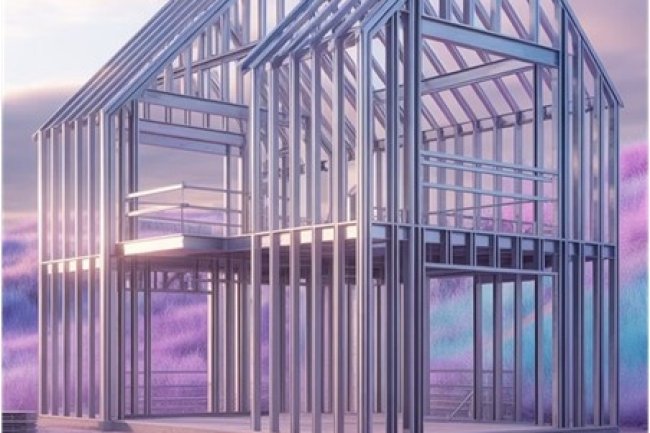
Hybrid Systems: Combining Light Gauge Steel with Other Materials
Innovative design solutions that maximize strength, flexibility, and cost-efficiency for architects and contractors.

The Evolution of Modern Construction
|
The construction industry is experiencing a paradigm shift. Traditional single-material approaches are giving way to sophisticated hybrid systems that combine the best properties of multiple materials. Light gauge steel (LGS) has emerged as a cornerstone of this evolution—offering precision, consistency, and structural integrity that pairs exceptionally well with wood, concrete, masonry, and advanced composites. For project managers and design engineers, understanding these hybrid combinations opens new possibilities for optimizing performance, controlling costs, and meeting increasingly complex building codes and sustainability requirements. |
|

Why Hybrid Systems Matter Now
Code Compliance
Modern building codes demand fire resistance, seismic performance, and energy efficiency—hybrid systems deliver on all fronts simultaneously.
Speed of Construction
Pre-engineered LGS components integrate seamlessly with other materials, reducing on-site labor time and accelerating project schedules by 20–30%.
Cost Optimization
Strategic material pairing allows allocating budget where it matters most, maintaining structural integrity without overspending.
Sustainability Goals
Steel’s recyclability combined with sustainable wood or low-carbon concrete supports LEED compliance and environmentally responsible building systems.
Four High-Performance Hybrid Combinations
1. Light Gauge Steel + Wood Framing
Perfect for residential and light commercial projects. Steel provides structural backbone and fire protection, while wood offers design flexibility, natural aesthetics, and ease of modification on-site.
- Ideal for floor systems and load-bearing walls
- Reduces thermal bridging when properly detailed
- Simplifies rough-in for MEP systems
2. Light Gauge Steel + Concrete
The gold standard for mid-rise and commercial construction. LGS framing with concrete floors and shear walls delivers exceptional rigidity, acoustic performance, and fire ratings up to 4 hours.
- Steel studs serve as permanent formwork
- Composite action enhances structural capacity
- Streamlines coordination between trades
3. Light Gauge Steel + Masonry Veneer
Combines the precision of steel backup with the durability and aesthetic appeal of brick, stone, or CMU. Common in institutional and high-end commercial projects requiring both performance and curb appeal.
- Steel tracks ensure dimensional accuracy
- Accommodates differential movement
- Simplifies flashing and waterproofing details
4. Light Gauge Steel + Advanced Panels
Emerging systems pair LGS framing with structural insulated panels (SIPs), cross-laminated timber (CLT), or fiber-reinforced composites—pushing boundaries in energy performance and design freedom.
- Achieves net-zero energy targets
- Enables long spans with minimal depth
- Integrates digital fabrication workflows
BIM Integration: The Digital Advantage
Hybrid systems demand precision coordination. Building Information Modeling (BIM) has transformed how we design, detail, and deliver these complex assemblies.
Clash Detection
Identify conflicts between steel framing, MEP systems, and other materials before fabrication—saving weeks in the field and thousands in change orders.
Shop Drawing Automation
Generate accurate fabrication documents directly from coordinated models, ensuring what's designed matches what's built.
Quantity Takeoffs
Extract precise material quantities for steel, concrete, and other components—improving bid accuracy and reducing waste.
Construction Sequencing
Visualize and optimize installation sequences to minimize trade conflicts and compress project schedules.
CAD/BIM professionals working with hybrid systems should leverage Revit, Tekla, or similar platforms with robust multi-material capabilities.
Parametric modeling allows rapid exploration of design alternatives while maintaining coordination across disciplines.
What's Your Reaction?