Sustainable Construction: Optimizing Steel Joist Systems for Green Building Projects
As the construction industry shifts toward greener and more responsible building practices, structural engineers and project teams are discovering that steel joist systems are among the most powerful — and often underutilized — tools in the sustainable design toolkit. From reducing material waste to improving long-term energy performance, optimizing steel joists for green building is not just a technical decision — it is a strategic one.
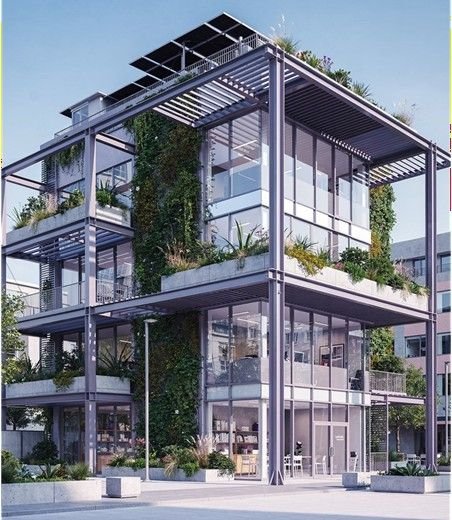
Sustainable Steel Construction
Why Steel Joist Systems Matter in Green Building
Steel joists have long been a staple in commercial and industrial construction — and for good reason. They're lightweight, strong, and incredibly versatile. But when viewed through the lens of sustainable construction, their value multiplies significantly.
Smarter Structural Design Through Open-Web Joists
Open-web steel joists allow MEP systems — mechanical, electrical, and plumbing — to run directly through web openings. This eliminates bulky duct chases below the structure, reducing overall building height, material consumption, and embodied carbon. Shorter buildings also require less cladding, smaller foundations, and lower lifecycle costs.
90%+
Typical recycled content in structural steel products
Lower
Embodied carbon through reduced material usage and optimized building geometry
100%
Recyclable at the end of the building lifecycle
Key Sustainability Advantages
Built for Long-Term Environmental Performance
High Recycled Content
Structural steel typically contains over 90% recycled material, supporting circular construction goals.
Reduced Building Height
Integrated MEP routing minimizes floor-to-floor height and lowers material consumption.
Integrated MEP Coordination
Open-web systems simplify routing for ducts, pipes, and conduits throughout the structure.
Green Certification Support
Steel joist systems contribute toward LEED, BREEAM, and Green Globes sustainability credits.
Fully Recyclable Lifecycle
Steel can be continuously recycled without degrading material performance or structural integrity.
Sustainability Insight
Moreover, steel is one of the most recycled materials on the planet. Using steel joists contributes directly to a project's recycled content credits under LEED, BREEAM, and other green certification frameworks.
Sustainable Structural Optimization
Optimizing Steel Joist Design for Maximum Efficiency
Getting the most out of a steel joist system — both structurally and environmentally — requires intentional design decisions from the earliest project phases. Here's how high-performing teams approach it.
1
Right-Sizing Joist Depth
Deeper joists carry greater spans with less steel, reducing total tonnage on the project. Coordinate with the structural engineer early to explore span-to-depth ratios that optimize both performance and material efficiency.
2
Standardizing Joist Spacing
Consistent bay spacing — typically 5 to 6 feet for open-web joists — reduces the number of unique member types, simplifies fabrication, and minimizes waste during shop production. Standardization is sustainability in disguise.
3
Coordinating with MEP Early
Integrating HVAC, electrical conduit, and plumbing runs through joist web openings during the design phase — not as an afterthought — prevents costly field modifications and preserves structural integrity throughout the building lifecycle.
4
Specifying Recycled-Content Steel
Work with fabricators who source electric arc furnace (EAF) steel — produced predominantly from scrap metal. This dramatically reduces embodied carbon compared to virgin steel production and strengthens your project's green certification score.
BIM + Sustainable Construction
BIM and Digital Detailing: The Green Building Multiplier
One of the most impactful — yet often overlooked — sustainability strategies is precision digital coordination. When steel joist systems are modeled accurately in Building Information Modeling (BIM) environments, the downstream benefits become substantial across fabrication, construction, and long-term building performance.
Precision Coordination Through BIM
Accurate BIM models enable clash detection between structural members and MEP systems before a single piece of steel is fabricated. This minimizes costly field conflicts, reduces scrap generation, and ensures web openings are positioned exactly where required.
Detailed digital coordination transforms steel detailing from a reactive correction process into a proactive quality-control system that supports both sustainability and construction efficiency.
“
Precise BIM detailing reduces field rework by eliminating coordination conflicts before fabrication begins — a direct contribution to waste reduction and green performance.
Fabrication Confidence
When joists are detailed with precise camber, bridging, and bearing callouts, fabricators can produce with confidence while maintaining consistent quality and dimensional accuracy.
Smoother Field Installation
Coordinated BIM-driven detailing allows contractors to install steel systems without unexpected clashes, missing penetrations, or last-minute field modifications.
Sustainable Construction Insight
Firms that combine high-precision BIM coordination with advanced structural detailing create measurable sustainability gains — reducing waste, improving constructability, and helping green building projects achieve better real-world performance.
Sustainable Certification Strategy
Green Certifications and Steel Joist Contributions
Understanding how steel joist systems contribute to formal green building certifications helps project teams make smarter specification decisions — and build a stronger case during sustainability-focused design reviews.
LEED Material Credits
Steel joists with high recycled content and regional sourcing contribute directly to MR (Materials and Resources) credits under LEED v4. Documenting mill certifications and Environmental Product Declarations (EPDs) strengthens sustainability compliance and reporting.
Embodied Carbon Reduction
Specifying EAF-produced steel and optimizing joist profiles to minimize total tonnage directly lowers embodied carbon — a growing priority under LEED, BREEAM, and emerging low-carbon building standards.
Energy Performance
Reduced building height — enabled by integrated MEP routing through joist webs — lowers the thermal envelope area, improving energy efficiency ratings and supporting EA (Energy and Atmosphere) credits.
Construction Waste Diversion
Precision fabrication driven by accurate shop drawings and BIM coordination reduces on-site material waste. Excess steel remains highly recyclable, supporting MRc Construction Waste Management credits across multiple certification systems.
Sustainability Takeaway
Steel joist systems do far more than support structural loads — they actively contribute to lower embodied carbon, improved energy performance, reduced construction waste, and stronger green certification outcomes across the entire building lifecycle.
Green Building Strategy
Practical Takeaways for Your Next Green Building Project
Sustainable construction doesn't require reinventing structural systems from the ground up. Often, it means using proven systems — like steel joists — more thoughtfully, more precisely, and more collaboratively. Here's what to take into your next project.
STEP 01
Start the Sustainability Conversation Early
Engage your structural engineer, MEP coordinator, and steel fabricator during schematic design — not after construction documents are issued. Early alignment on joist depth, spacing, and web opening locations prevents costly redesigns and maximizes green performance.
STEP 02
Document Everything for Certification
Green certifications are won or lost on documentation. Collect mill certifications, EPDs, recycled content data, and regional sourcing records from your steel supplier and fabricator from the outset. Build this requirement into your procurement process.
STEP 03
Invest in Precision Detailing and BIM Coordination
Accurate shop drawings and fully coordinated BIM models are not overhead — they're a return on investment. They reduce field errors, minimize waste, accelerate approvals, and protect the structural integrity of green-certified systems throughout the project lifecycle.
STEP 04
Think Lifecycle, Not Just First Cost
Steel joist systems optimized for sustainability may carry a modest premium in upfront engineering effort — but they consistently deliver lower lifecycle costs, better certification scores, and stronger long-term asset value. The math almost always works in their favor.
Final Insight
Steel joist systems, when thoughtfully specified and precisely detailed, are among the most effective structural strategies for achieving green building certification goals without sacrificing performance or budget discipline.