Architects and Steel Detailers: Working Together for Better Joist Design Outcomes
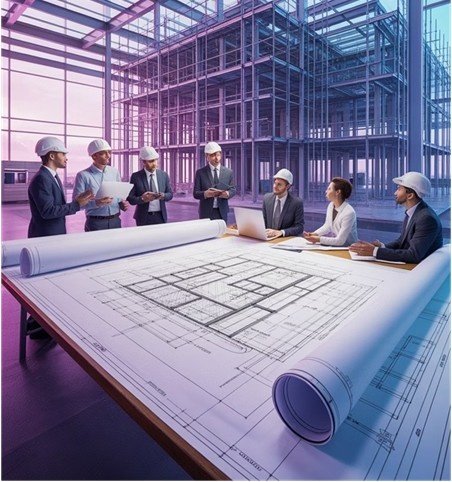
Successful joist design doesn't happen in isolation. It requires seamless coordination between architectural vision and structural precision. When architects and steel detailers collaborate early and effectively, projects run smoother, costs stay predictable, and outcomes exceed expectations.
Why Collaboration Matters in Joist Design
Coordinating Architects and Steel Detailers early avoids conflicts, delays, and cost overruns.
The Architect's Vision
Architects define the aesthetic intent, spatial requirements, and functional goals of a structure. They establish ceiling heights, architectural features, and mechanical coordination zones that directly impact joist placement and detailing strategy.
The Detailer's Precision
Steel detailers translate design intent into fabrication-ready shop drawings. They navigate load paths, connection logistics, material specifications, and constructability constraints that make the architect's vision buildable and code-compliant.
When these two disciplines work in silos, the result is often redesign, delays, and budget overruns. Early collaboration prevents conflicts before they reach the fabrication floor.
Common Challenges in Joist Design Coordination
Late-Stage Design Changes
Architectural modifications after detailing begins can trigger costly rework, material reorders, and schedule compression that impacts the entire project timeline.
MEP Coordination Gaps
Mechanical, electrical, and plumbing systems often conflict with joist layouts. Without proactive coordination, these clashes surface during installation when changes are most expensive.
Incomplete Information Handoffs
Missing or ambiguous details in architectural drawings force detailers to make assumptions, leading to misalignment with design intent and potential rework during fabrication or erection.
Five Strategies for Effective Architect-Detailer Collaboration
Start Conversations Early
Engage steel detailers during schematic design or design development. Early input on joist depth, spacing, and connection types prevents conflicts downstream and aligns expectations from day one.
Use BIM for Real-Time Coordination
Building Information Modeling enables architects and detailers to work in a shared 3D environment. Clash detection tools identify conflicts before fabrication, saving time and reducing costly field changes.
Establish Clear Communication Protocols
Define who reviews what, when, and how. Regular coordination meetings, shared cloud platforms, and documented RFI processes keep everyone aligned and accountable throughout the project lifecycle.
Define Tolerances and Expectations
Clearly communicate architectural tolerances, finish requirements, and dimensional constraints. When detailers understand acceptable variances upfront, they can optimize designs within those boundaries.
Review Shop Drawings Collaboratively
Treat shop drawing reviews as collaborative checkpoints, not approvals. Joint reviews between architects, engineers, and detailers surface issues faster and ensure design intent is preserved through fabrication.
The Role of Technology in Bridging the Gap
Modern digital tools have transformed how architects and detailers collaborate. Advanced CAD and BIM platforms enable seamless data exchange, real-time updates, and automated conflict detection that were impossible with traditional 2D workflows.
3D Modeling Platforms
Shared models provide a single source of truth, eliminating version control issues and ensuring all stakeholders work from current information.
Cloud Collaboration Tools
Cloud-based platforms enable real-time markup, commenting, and approval workflows that accelerate review cycles and maintain clear documentation trails.
Automated Clash Detection
Software identifies geometric conflicts between joists, MEP systems, and architectural elements before they become field problems, saving thousands in rework costs.
Real-World Impact: What Better Collaboration Delivers
Faster Project Delivery
Early coordination reduces design iterations and expedites approvals, compressing overall project timelines significantly.
Cost Reduction
Preventing rework and material waste through proactive collaboration delivers measurable savings on fabrication and installation budgets.
Fewer RFIs
Clear communication and complete information handoffs dramatically reduce requests for information during construction, keeping projects moving forward.
Companies like Consac have demonstrated that when architectural design and steel detailing services work in integrated teams from project inception, the results speak for themselves: on-time delivery, reduced change orders, and structures that meet both aesthetic and structural performance goals without compromise.
Building a Culture of Collaboration
Foster Mutual Respect
Recognize that architects bring design expertise and detailers bring fabrication knowledge. Both perspectives are essential for optimal outcomes.
Invest in Cross-Training
When architects understand detailing constraints and detailers appreciate design intent, communication becomes more efficient and solutions more creative.
Celebrate Shared Wins
Acknowledge successful collaborations publicly. Positive reinforcement builds momentum for future teamwork and establishes best practices across the organization.
Moving Forward: Your Next Steps
Great joist design outcomes don't happen by accident. They result from intentional collaboration, clear communication, and mutual commitment to project success between architects and steel detailers.
Evaluate Current Processes
Review how your team coordinates joist design today. Identify bottlenecks and communication gaps that could be improved.
Implement Digital Tools
Invest in BIM platforms and collaboration software that enable real-time coordination and automated conflict detection.
Start Earlier
Bring detailers into conversations during design development, not after construction documents are complete. Early engagement prevents late-stage surprises.
Whether you're a project manager, design engineer, or construction coordinator, the principles remain the same: communicate early, collaborate often, and leverage technology to bridge gaps. The result will be joist designs that are efficient to fabricate, straightforward to install, and faithful to architectural vision.
What's Your Reaction?