Top Software Tools for Steel Joist Design and Detailing
In today's fast-paced construction industry, selecting the right software for steel joist design and detailing can make the difference between project success and costly delays. From structural analysis to fabrication-ready shop drawings, the tools you choose directly impact accuracy, efficiency, and collaboration across your team.
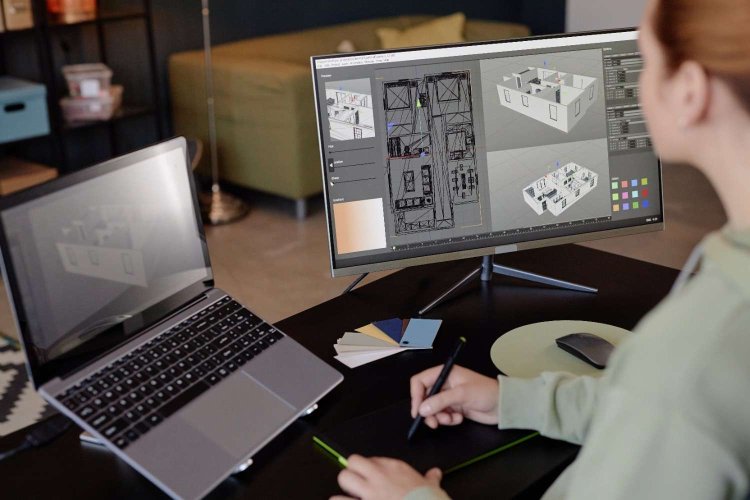
Why Steel Joist Software Matters
Advanced digital tools enhance accuracy, efficiency, and coordination across the full steel joist lifecycle—from engineering design to fabrication.
Design Precision
Steel joist software ensures structural integrity through automated load calculations, code compliance checks, and optimization algorithms.
These tools significantly reduce human error while accelerating the design process, enabling engineers to evaluate multiple design scenarios quickly and confidently.
Fabrication Efficiency
Modern detailing software bridges the gap between design intent and shop-floor reality.
By generating accurate fabrication drawings, material take-offs, and CNC-ready files, these platforms streamline production workflows and minimize material waste.
Leading Design Software Solutions
Tekla Structures
Industry-standard BIM software offering comprehensive 3D modeling, clash detection, and seamless fabrication detailing. Ideal for complex structural steel projects requiring multi-discipline coordination.
RAM Structural System
Powerful analysis and design suite specifically engineered for steel and concrete structures. Excels at optimizing member sizes and generating detailed engineering reports for permitting.
RISA-3D
User-friendly structural analysis software with robust steel joist design capabilities. Features intuitive interfaces and extensive code libraries for faster project turnaround times.
Specialized Detailing Platforms
SDS/2
Steel detailing powerhouse trusted by fabricators nationwide. Automates connection design, generates shop drawings, and produces bills of materials with exceptional accuracy. Its parametric modeling approach saves hours on repetitive detailing tasks.
Advance Steel
AutoCAD-integrated solution combining familiar CAD workflows with specialized steel detailing tools. Ideal for firms transitioning from 2D drafting while maintaining their existing software ecosystem and gaining 3D capabilities.
StruCAD
Comprehensive steel detailing software offering advanced connection design libraries and automated drawing generation. Particularly strong in handling complex geometries and non-standard connection requirements.
Key Features to Evaluate
Essential Capabilities
Code Compliance
Built-in AISC, IBC, and local building code standards with automatic updates
Interoperability
Seamless data exchange with Revit, AutoCAD, and fabrication equipment
Automated Detailing
Intelligent connection design and shop drawing generation
Collaboration Tools
Cloud-based sharing, version control, and multi-user environments
Reporting
Comprehensive material takeoffs, erection sequences, and QA/QC documentation
Making the Right Choice for Your Team
Assess Project Complexity
Consider the typical scale and intricacy of your steel projects. High-rise buildings demand different capabilities than pre-engineered metal buildings.
Evaluate Team Expertise
Factor in your team’s current skill levels and training requirements. Some platforms require extensive learning curves, while others allow quicker adoption.
Integration Requirements
Identify which existing tools must connect with your joist software. Smooth data flow between design, analysis, and fabrication is critical.
Budget Considerations
Balance licensing costs, training investments, and long-term maintenance against expected productivity gains and error reduction.
Companies like Consac understand that implementing the right software stack requires careful evaluation. The best solution aligns with your workflow, project types, and team capabilities.
Moving Forward with Confidence
Your Next Steps
The right steel joist design and detailing software transforms how your team works, improving accuracy, accelerating timelines, and enhancing collaboration from concept through construction. Whether you're upgrading legacy systems or implementing digital tools for the first time, focus on solutions that integrate with your existing workflows while positioning you for future growth.
Take time to demo multiple platforms, involve your team in the selection process, and prioritize vendors offering strong technical support. The investment you make today in powerful software and proper training will pay dividends in project efficiency, reduced errors, and competitive advantage for years to come.
What's Your Reaction?