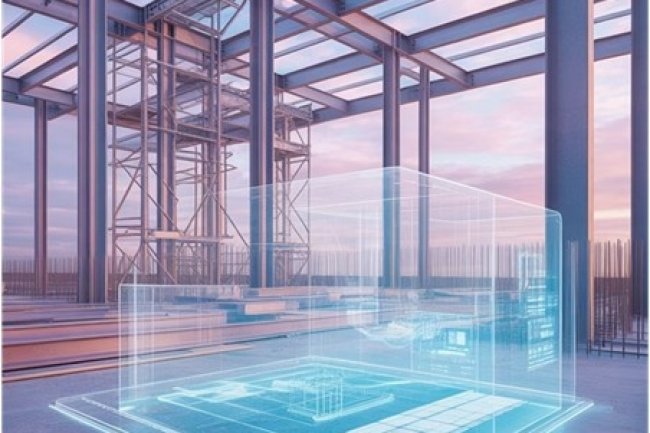
Innovations in Steel Joist Design and Detailing: BIM and Automation
The construction industry is experiencing a digital transformation, and steel joist fabrication is at the forefront of this evolution. Building Information Modeling (BIM) and automation technologies are revolutionizing how engineers design, detail, and deliver steel joist systems—making projects faster, more accurate, and significantly more efficient.

The Traditional Challenges in Steel Joist Detailing
|
Steel joist detailing has historically been labor-intensive and prone to errors. Manual drafting methods often led to coordination issues, rework, and costly delays on job sites. Design changes could cascade through drawings, requiring extensive manual updates across multiple sheets. Traditional workflows struggled with clash detection, making it difficult to identify conflicts between structural elements, MEP systems, and architectural features until construction was already underway. This reactive approach increased costs and extended project timelines. |
|
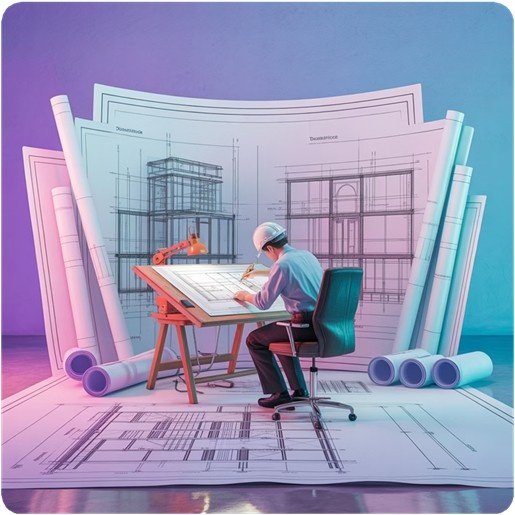
How BIM is Transforming Steel Joist Design
Leveraging digital models to enhance accuracy, coordination, and efficiency
3D Visualization
BIM creates intelligent 3D models providing comprehensive visualization of joist systems within the building context, enabling better design decisions and improved stakeholder communication.
Clash Detection
Automated clash detection identifies conflicts between joists, beams, ducts, and other building systems before fabrication begins, eliminating costly field conflicts and rework.
Data Integration
BIM models contain rich data including material specs, load capacities, connection details, and fabrication information—all accessible in a single coordinated digital environment.
Building Information Modeling has fundamentally changed how project teams approach steel joist design. Instead of working with disconnected 2D drawings, BIM provides a centralized digital model that serves as a single source of truth throughout the project lifecycle.
Advanced Technologies Shaping the Future
Artificial Intelligence and Machine Learning
AI algorithms are beginning to optimize joist layouts automatically, considering factors like material efficiency, load distribution, and construction sequencing. Machine learning systems can analyze past projects to suggest improved detailing approaches and predict potential issues before they occur.
Generative Design
Generative design tools explore thousands of possible joist configurations based on specified constraints and performance criteria. Engineers can quickly evaluate multiple design alternatives and select the optimal solution for each unique project condition.
Automation technologies are dramatically reducing the time required for steel joist detailing while improving accuracy. Advanced software can generate connection details, fabrication drawings, and bills of materials directly from the BIM model.
Engineers create the structural model with design parameters and load requirements.
Software automatically generates joist layouts, connection details, and shop drawings.
Automated checks ensure compliance with standards and design specifications.
CNC-ready files are generated for direct-to-fabrication workflows, enabling rapid and precise steel joist production.
Automation: Accelerating the Detailing Process
01 · Model Creation
02 · Automated Detailing
03 · Quality Verification
04 · Fabrication Output
Key Benefits of BIM and Automation Integration
Enhanced Accuracy
Automated calculations and rule-based modeling eliminate human errors in dimensions, connections, and material quantities. Digital workflows ensure consistency across all project documentation.
Improved Collaboration
Cloud-based BIM platforms enable real-time collaboration between architects, engineers, detailers, and fabricators. Changes are instantly visible to all stakeholders, reducing miscommunication.
Faster Project Delivery
What once took weeks can now be accomplished in days. Automated detailing accelerates shop drawing production, approval cycles move faster with clearer visualizations, and fabrication begins sooner.
Cost Savings
Early clash detection prevents expensive field modifications. Accurate material takeoffs reduce waste. Faster delivery means lower overhead costs and earlier project completion.
Leverage BIM and automation to streamline detailing processes, reduce errors, and accelerate project delivery. Follow these phases for effective implementation.
Evaluate current detailing processes and identify bottlenecks. Determine which tasks benefit most from automation and set clear goals.
Invest in comprehensive training for your team. BIM and automation require new skills, but the productivity gains far outweigh initial learning investment.
Choose BIM platforms and automation tools that integrate with your existing ecosystem. Consider learning curve, technical support, and fabrication compatibility.
Start with smaller projects to refine workflows and build confidence. Document lessons learned and continuously improve processes based on real-world results.
Scale successful processes across the organization. Establish standards, create templates, and develop best practices to ensure consistent quality across all projects.
Implementing BIM and Automation in Your Workflow
01 · Assessment Phase
02 · Team Training
03 · Technology Selection
04 · Pilot Projects
05 · Full Integration
The Competitive Advantage of Digital Transformation
The construction industry is rapidly evolving, and firms that embrace BIM and automation in steel joist detailing are positioning themselves for long-term success. These technologies aren't just about working faster—they're about working smarter, delivering higher quality, and providing greater value to clients.
60% Reduction in Errors
BIM-based workflows significantly decrease coordination issues and rework
50% Faster Detailing
Automation cuts traditional detailing time by half or more
30% Cost Savings
Projects realize substantial savings through improved efficiency and reduced waste
As project complexity increases and schedules tighten, the ability to produce accurate, coordinated steel joist details quickly becomes a critical differentiator. Companies that invest in these technologies today are building the foundation for tomorrow's competitive advantage in an increasingly digital construction landscape.
What's Your Reaction?