Sheet Metal Designs Inspired by Aerospace Engineering for Earthbound U.S. Buildings
The precision and innovation of aerospace engineering is transforming how we approach sheet metal applications in commercial and residential construction. From the sleek curves of aircraft fuselages to the lightweight strength of aerospace components, these design principles are creating revolutionary building solutions across the United States.
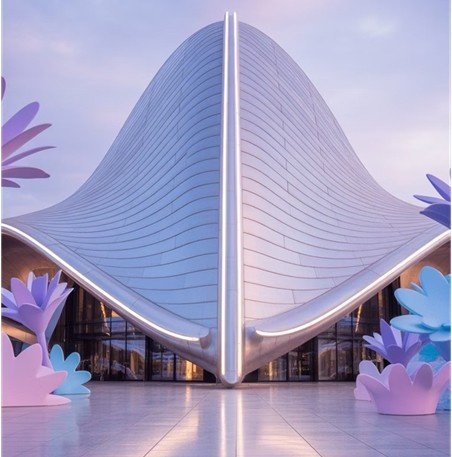
The Aerospace-Architecture Connection
|
Aerospace engineering has always pushed the boundaries of material science, The marriage of aerospace methodology with architectural sheet metal work delivers Modern architects and engineers are increasingly looking to the sky for inspiration, |
|
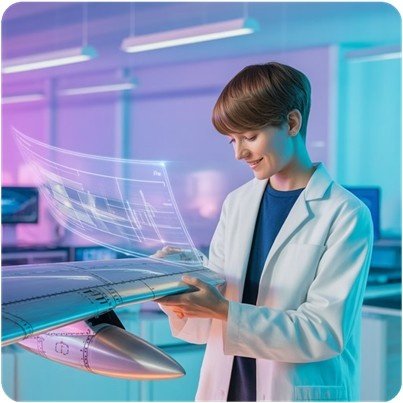
Key Aerospace Technologies Transforming Building Design
Stressed-Skin Construction
Borrowed from aircraft fuselage design, this technique allows sheet metal panels to carry structural loads, reducing the need for heavy framework and enabling more open interior spaces.
Advanced Alloy Systems
High-strength aluminum and titanium alloys developed for aviation offer superior corrosion resistance and strength-to-weight ratios for facades and roofing.
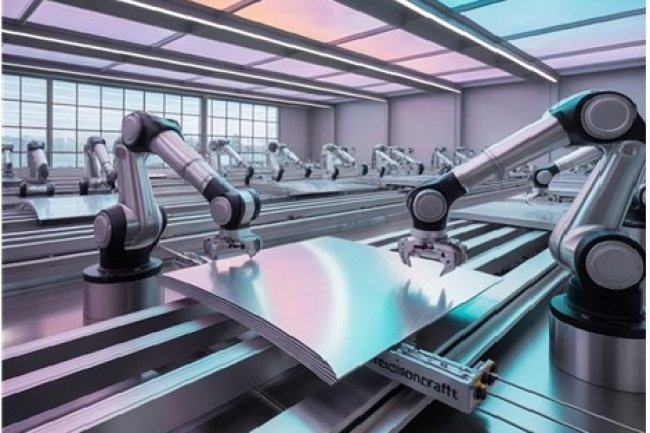
Precision Forming Methods
Computer-controlled aerospace forming techniques enable complex curved surfaces and seamless joints that improve both aesthetics and weather performance.
Real-World Applications in U.S. Construction
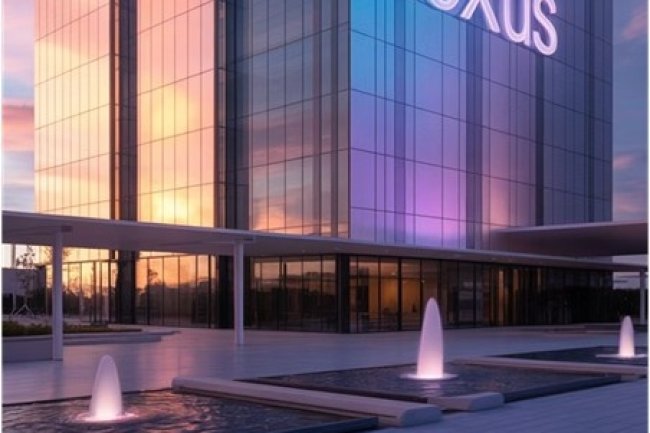
Curtain Wall Systems
Lightweight composite aerospace panels create airtight, visually stunning envelopes with advanced sealing performance.
Complex Roof Geometries
Precision forming brings organic, fluid rooflines to life — improving wind flow and water drainage efficiency.
Interior Architectural Elements
Honeycomb panels and precision metalwork provide sleek, lightweight interior forms with full structural safety.
Engineering Benefits That Matter
???? Adaptive Surface Technology
Next-gen buildings are turning passive facades into dynamic, responsive systems. Metal skin can now shift texture, reflectivity, or openness in response to sunlight, temperature, and occupancy—boosting energy performance while delivering a futuristic aesthetic.
⚡ Hybrid Structural Skins
By blending structural metal panels with carbon-fiber reinforcement, architects are creating ultra-light, high-strength envelopes. These hybrid skins reduce weight up to 45% while increasing load-carrying capacity and design freedom.
???? Bio-Inspired Metal Morphing
Inspired by nature, morphing metal systems use micro-patterned surfaces that expand, contract, or bend. This allows buildings to self-shade, self-ventilate, and self-regulate acoustics without mechanical components.
Implementation Considerations for Your Next Project
Design Integration
Early collaboration between architects, structural engineers, and sheet metal specialists is crucial for successful implementation of aerospace-inspired designs.
Material Selection
Choose alloys and coatings that balance performance requirements with local climate conditions and building code compliance.
Fabrication Planning
Advanced forming techniques require specialized equipment and skilled craftspeople familiar with aerospace-grade quality standards.
Installation Coordination
Complex geometries and precision tolerances demand careful sequencing and skilled installation teams experienced with high-performance building systems.
What's Your Reaction?