Training and Skill Development for Light Gauge Steel Construction
Building tomorrow's workforce through specialized education and hands-on expertise in light gauge steel framing systems.
Bridging the Steel Skills Gap
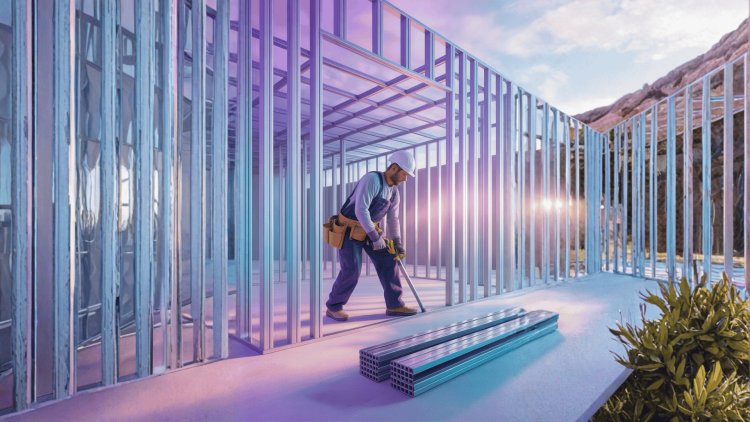
The construction industry is experiencing a significant shift toward light gauge steel framing, driven by its efficiency, sustainability, and precision. However, this transition has created a critical skills gap. Traditional wood framing expertise doesn't directly translate to steel construction methods, and the industry needs professionals who understand the unique properties, installation techniques, and engineering requirements of light gauge steel systems.
As projects become more complex and building codes evolve, the demand for trained specialists continues to outpace supply. Organizations that invest in comprehensive training programs position themselves for competitive advantage while contributing to industry-wide workforce development.
43%
Skills Gap
Percentage of contractors reporting difficulty finding qualified steel framers.
2.1M
Workforce Need
Projected construction positions needed by 2030.
Understanding structural drawings, shop drawings, and digital models specific to steel framing systems. Professionals must accurately interpret dimensions, connection details, and load-bearing specifications.
Proper techniques for cutting, forming, and assembling light gauge steel members. Knowledge of fastening methods, including screws, welds, and clips appropriate for different applications.
OSHA regulations, fall protection, proper PPE usage, and site-specific safety protocols. Understanding building codes and inspection requirements for steel framing projects.
Familiarity with BIM workflows, CAD software, and digital detailing platforms. Ability to work with 3D models and coordinate with other trades through technology.
Building Specialized Expertise
Blueprint Reading & Interpretation
Material Handling & Installation
Safety & Compliance
Digital Technology Proficiency
Foundational programs lasting 6–18 months covering construction principles, material science, and hands-on steel framing techniques. Many now include dedicated light gauge steel coursework.
Earn-while-you-learn opportunities combining classroom instruction with supervised on-site experience. These 2–4 year programs provide comprehensive training under experienced professionals.
Specialized credentials from organizations like SFIA or manufacturer-specific programs. Certifications demonstrate expertise in systems, installation methods, or quality assurance processes.
Ongoing professional development through workshops, webinars, and advanced courses. Professionals must stay current with new products, code updates, and best practices.
Shaping Future Steel Experts
Trade Schools & Technical Colleges
Apprenticeship Programs
Industry Certifications
Continuing Education
Collaboration between educational institutions, steel manufacturers, and construction firms creates training programs aligned with real market needs and emerging technologies.
Pairing experienced steel framers with new professionals accelerates skill development and preserves institutional knowledge while building strong professional networks.
Clear competency benchmarks and quality metrics ensure consistent training outcomes and help employers identify qualified candidates with verified capabilities.
The transition from classroom to construction site remains one of the most critical phases in workforce development. Effective programs incorporate job shadowing, supervised installations, and progressive responsibility models that build confidence while maintaining safety and quality standards.
Regular feedback loops between employers and training providers help refine curricula to address emerging challenges and technological advances in the field.
From Classroom to Construction Site
Industry Partnerships
Mentorship Programs
Performance Standards
Properly trained installers make fewer mistakes, reducing material waste and costly corrections. Understanding proper connection details and load paths prevents structural issues down the line.
Skilled workers complete tasks more efficiently and coordinate better with other trades. This leads to faster project completion and reduced labor costs over the construction cycle.
Comprehensive training reduces workplace incidents and injuries. Fewer accidents mean lower insurance costs, better team morale, and uninterrupted project schedules.
Trained professionals deliver work that meets or exceeds specifications. This reduces callbacks, improves client satisfaction, and builds reputation for quality craftsmanship.
Investing in employee development increases job satisfaction and loyalty. Trained workers are more engaged, productive, and likely to remain with companies long-term.
The Value of Skilled Teams
01
Reduced Errors and Rework
02
Improved Project Timelines
03
Enhanced Safety Records
04
Higher Quality Standards
05
Workforce Retention
Combine technical knowledge with hands-on experience and digital literacy to build a capable workforce.
Collaborate with schools and industry organizations to align curriculum with current and future market demands.
Incorporate BIM-driven workflows and digital tools into training to prepare workers for modern projects.
Offer certifications and advancement opportunities to attract and retain talented professionals.
Encourage knowledge transfer from experienced professionals to the next generation of steel framers.
The future of light gauge steel construction depends on our collective commitment to workforce development. By prioritizing training and skill development today, we build the foundation for a stronger, more capable industry tomorrow.
Key Takeaways for Industry Leaders
01
Invest in Training Programs
02
Partner with Institutions
03
Embrace Technology Integration
04
Create Career Pathways
05
Foster Mentorship Cultures
What's Your Reaction?