The Future of Sheet Metal Design: AI and Machine Learning Applications
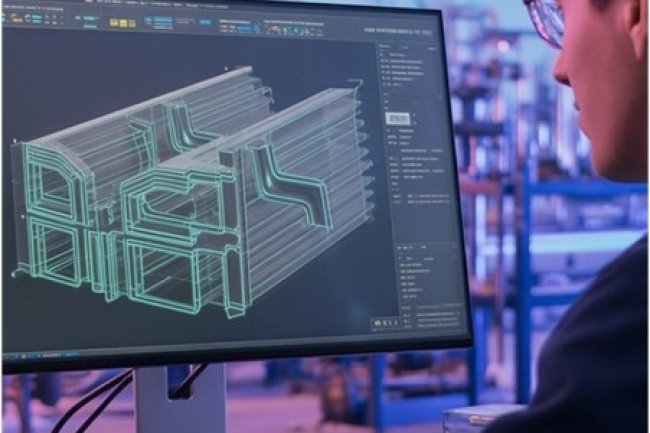
The construction and manufacturing industries are experiencing a revolutionary transformation. Artificial intelligence and machine learning are reshaping how we approach sheet metal design, offering unprecedented precision, efficiency, and innovation. From automated design optimization to predictive maintenance, these technologies are setting new standards for what's possible in metal fabrication and architectural engineering.
Bottlenecks That Impact Success

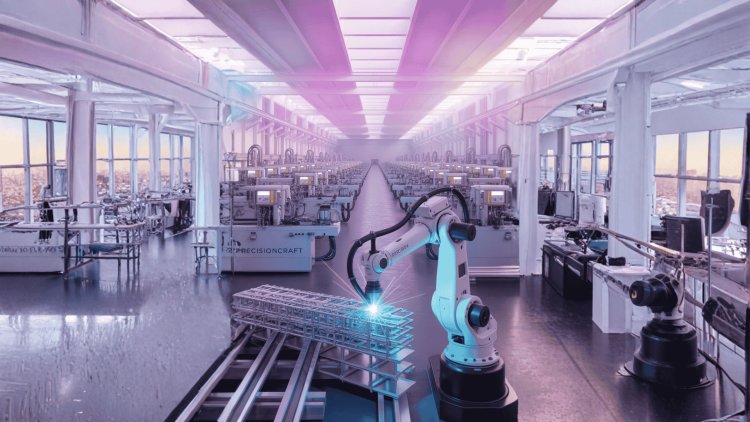
Traditional sheet metal design processes face significant bottlenecks that impact project timelines and costs. Manual calculations often lead to material waste, with industry estimates suggesting up to 15% excess material usage in conventional workflows.
Design iterations require extensive rework, and human error in complex geometries can result in costly fabrication mistakes. Quality control relies heavily on post-production inspection, meaning defects are discovered only after resources have been invested.
Additionally, coordinating between design teams, engineers, and fabricators often involves multiple software platforms that don't communicate effectively, creating data silos and version control issues.
Material Waste
Manual calculations can lead to up to 15% excess material usage.
Rework & Errors
Complex geometries often require rework and risk costly fabrication mistakes.
Reactive Quality Control
Defects are discovered only after production, wasting time and resources.
Data Silos
Multiple software platforms without integration create version control issues.
AI algorithms analyze thousands of design variations in seconds, optimizing for material usage, structural integrity, and manufacturing efficiency. Machine learning models learn from past projects to suggest improvements and identify potential issues before fabrication begins.
Advanced algorithms predict material behavior under various conditions, enabling engineers to anticipate stress points, thermal expansion, and long-term durability. This reduces the need for physical prototyping and accelerates the design validation process.
Computer vision systems powered by machine learning inspect designs and finished products with microscopic precision. These systems detect defects, dimensional variations, and surface imperfections faster and more accurately than human inspection.
Smarter Design & Fabrication
Automated Design Optimization
Predictive Analytics
Real-Time Quality Control
Algorithms analyze historical project data to identify the most efficient cutting patterns, reducing material waste by up to 20% compared to traditional nesting software.
Trained on thousands of successful designs, neural networks predict optimal bend sequences, tool selection, and forming parameters — eliminating trial-and-error and reducing setup time.
Designers can input project requirements in plain English, with AI systems automatically generating initial design concepts and technical specifications — democratizing advanced design capabilities.
Practical AI-Driven Workflows
Pattern Recognition
Neural Networks
Natural Language Processing
AI-assisted design tools reduce concept-to-production timelines by automating routine calculations and generating multiple design alternatives simultaneously.
Intelligent nesting algorithms and waste optimization significantly decrease raw material requirements and disposal costs.
Automated validation and cross-checking eliminate common human errors in calculations and design specifications.
Consistent, data-driven design decisions lead to more reliable products and fewer field issues.
Unlocking AI-Driven Advantages
35%
Faster Design Cycles
25%
Material Cost Reduction
40%
Error Reduction
60%
Quality Improvement
Evaluate existing design processes to identify bottlenecks and areas where AI can provide immediate value. Focus on repetitive tasks and quality control points where automation offers clear benefits.
Begin with smaller, less critical projects to test AI tools and train your team. This approach allows you to refine processes and build confidence before applying these technologies to major installations.
Ensure your engineering and design teams understand both the capabilities and limitations of AI tools. Proper training maximizes the technology's potential while maintaining design quality and safety standards.
Choose AI solutions that complement your current CAD, BIM, and project management platforms. Seamless integration prevents workflow disruption and maximizes your existing technology investments.
Turning AI Insights Into Action
Assess Current Workflows
Start with Pilot Projects
Invest in Team Training
Integrate with Existing Systems
Forward-thinking engineering firms and manufacturers are already seeing measurable results from AI adoption. Companies like Consac leverage advanced technologies to deliver precise architectural and engineering solutions, setting new benchmarks for efficiency and quality.
AI-enhanced design processes enable teams to take on more complex projects while maintaining shorter delivery timelines, providing a significant competitive advantage in winning bids and satisfying demanding clients.
These outcomes demonstrate that AI isn't just a technological novelty — it's becoming essential for staying competitive in modern construction and manufacturing markets.
Setting New Benchmarks with AI
Early Adopters Leading the Way
Success Stories
The integration of AI and machine learning in sheet metal design represents more than just technological advancement — it's a fundamental shift toward smarter, more efficient construction practices. Organizations that embrace these tools today will be better positioned to meet the evolving demands of tomorrow's built environment.
The key to successful adoption lies in understanding that AI enhances rather than replaces human expertise. The most successful implementations combine advanced algorithms with experienced engineering judgment, creating workflows that are both highly automated and carefully supervised.
The future of sheet metal design is being written today — and it's more intelligent, efficient, and precise than ever before.
Building a Smarter Future
Embracing the Shift
Future Applications
What's Your Reaction?