Structural Coordination & Envelope Systems
What Are Wood Nailers —
and Why Do They Matter?
Wood nailers play a critical role in roofing, cladding, and perimeter detailing by creating secure connection points between structural systems and building envelope components.
Defining the Wood Nailer
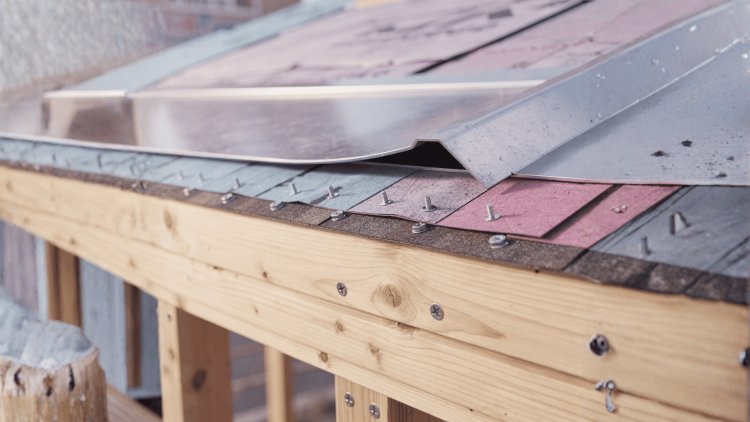
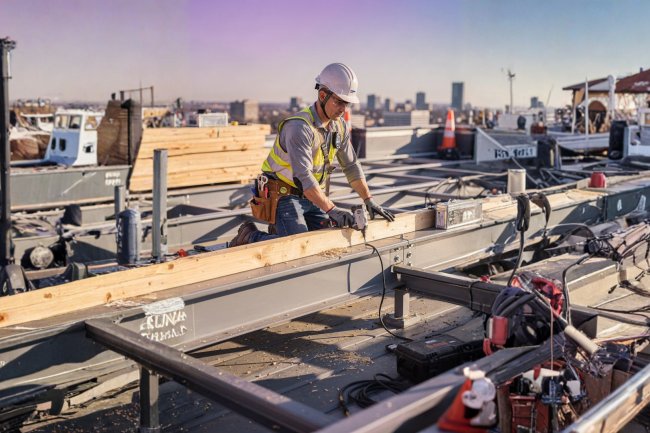
A wood nailer is a structural lumber element — typically pressure-treated — anchored to concrete or steel substrates along roof, floor, and wall perimeters. It provides a secure fastening surface for roofing membranes, insulation boards, metal edge flashings, copings, and other building envelope systems.
Though they may appear to be a small part of the overall structure, wood nailers act as critical load-bearing connection points that interact directly with structural framing, roofing assemblies, cladding systems, and even MEP routing pathways. Poor coordination at these interfaces often creates installation conflicts and long-term performance issues.
Why Coordination Is Non-Negotiable
Without precise placement, sizing, and anchoring details coordinated across structural and MEP teams, wood nailers can obstruct conduit runs, interfere with drain locations, or fail to achieve required wind uplift resistance. Early coordination through BIM and construction detailing dramatically reduces clashes, RFIs, and costly field modifications.
Structural & MEP Coordination Challenges
The Root Causes of
Coordination Failures
Most coordination breakdowns between structural and MEP teams originate from disconnected workflows, incomplete documentation, and late-stage conflict detection.
Why Coordination Breaks Down
Coordination failures rarely stem from a single mistake. They are typically the result of disconnected design processes, inconsistent documentation standards, incomplete BIM coordination, and unresolved field communication. Identifying these root causes early is essential to preventing costly construction conflicts.
Siloed Design
Workflows
Structural and MEP teams often finalize layouts independently without shared coordination data, leading to clashes between nailers, conduits, drains, and ductwork.
Incomplete
Drawing Sets
Wood nailer details shown only on architectural or roofing sheets often fail to communicate constraints to structural and MEP teams in the field.
Late-Stage BIM
Integration
Clash detection performed after fabrication or installation begins leads to expensive rework, delays, and coordination chaos.
Poor RFI &
Submittal Management
Unresolved questions about sizing, anchorage, species, or treatment force subcontractors to make risky field assumptions under pressure.
Structural Engineering Responsibilities
Structural Responsibilities
in Wood Nailer Coordination
Structural teams define the technical foundation of the wood nailer system — from load analysis and anchorage design to detailing, blocking, and long-term durability requirements.
Structural Coordination Drives System Reliability
Wood nailers interact directly with roofing, façade, and MEP systems, making structural coordination essential for long-term performance. Accurate detailing and engineering oversight help ensure that every nailer location, anchor pattern, and clearance condition is fully coordinated before construction begins.
Anchor Design
& Load Analysis
Structural engineers must calculate uplift, lateral, and gravity loads and specify anchor systems appropriate for the substrate material and design demands.
Nailer Sizing
& Material Specs
Proper lumber dimensions, species, grade, and preservative treatments are essential for durability, structural integrity, and moisture resistance.
Clearance
& Blocking Details
Detailed sections defining nailer heights, blocking layouts, and clearance zones help MEP teams route systems without structural conflicts.
MEP Coordination & Conflict Prevention
MEP Responsibilities
and Common Conflict Zones
MEP coordination is essential to ensuring that wood nailers remain structurally effective while accommodating mechanical, electrical, plumbing, and fire protection systems.
Coordination Must Happen Early
MEP engineers must proactively identify potential conflicts with wood nailers during design development — not after installation begins. Coordinated BIM workflows and shared detailing standards help ensure that routing pathways, penetrations, and equipment placements do not compromise structural performance or waterproofing integrity.
Mechanical — HVAC & Roof Penetrations
Roof-mounted equipment, curbs, and duct penetrations must be coordinated with nailer continuity to avoid structural interruptions and waterproofing failures.
Electrical — Conduit & Junction Boxes
Conduit routing near nailer zones requires exact elevation coordination to prevent weakening anchor systems or interfering with structural connections.
Plumbing — Drain Lines & Overflow Locations
Roof drains and overflow systems require adequate clearance from nailers to maintain membrane continuity and proper waterproof integration.
Fire Protection — Sprinkler Mains & Hangers
Sprinkler mains and hanger systems must avoid nailer anchors and blocking configurations that could compromise roof assembly integrity.
BIM Workflows & Team Coordination
Best Practices for
Cross-Team Coordination
Successful coordination requires structured communication, proactive clash detection, and clearly documented workflows shared across every discipline involved in the project.
Coordination Must Be Intentional
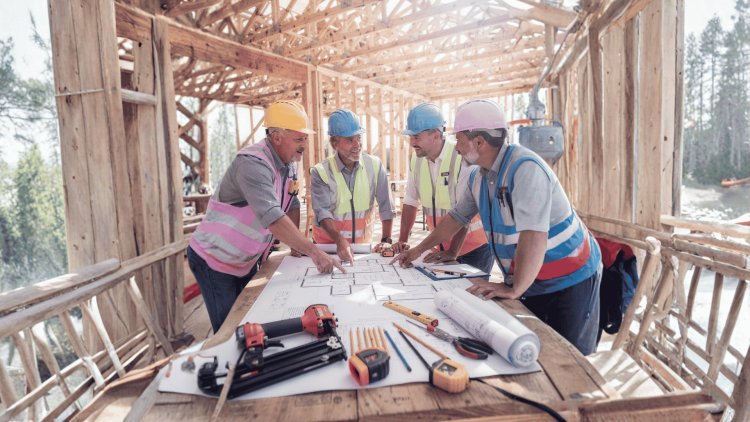
Effective coordination does not happen automatically. It requires shared BIM environments, documented review procedures, clearly assigned responsibilities, and continuous communication between structural, MEP, architectural, and construction teams throughout every phase of the project lifecycle.
Hold Coordination Kickoff Meetings Early
Bring structural, MEP, architectural, and envelope consultants together during schematic design to establish shared nailer coordination constraints.
Use BIM for Proactive Clash Detection
Integrate nailer geometry into federated BIM models and perform clash detection reviews at every major project milestone.
Issue Cross-Referenced Coordination Drawings
Overlay structural nailer plans with MEP routing layouts and formally distribute reviewed coordination documents to all teams.
Establish a Formal RFI Response Protocol
Assign ownership for nailer-related RFIs and resolve ambiguities through documented engineering review — not field assumptions.
Conduct Milestone Field Verification Walks
Before roof assemblies or wall cavities are enclosed, structural and MEP representatives should jointly verify nailer placement, anchor installation, and required clearances in the field. These milestone inspections help identify deviations early and prevent concealed defects that become expensive to correct later.
BIM Coordination & CAD Documentation
The Role of BIM and CAD
in Streamlining Coordination
Shared digital workflows allow structural, architectural, and MEP teams to coordinate wood nailer systems with greater speed, visibility, and accuracy throughout the project lifecycle.
Digital Coordination Eliminates Costly Surprises
Modern BIM and CAD workflows give project teams a shared visual environment where wood nailer geometry, MEP routing, structural framing, and envelope systems can be coordinated before fabrication and installation begin — dramatically reducing clashes, RFIs, and field rework.
Federated Models
& Clash Reporting
Federated BIM environments combine structural, architectural, and MEP models into a single coordinated workspace where conflicts can be identified and resolved before construction begins.
Tools like Autodesk Navisworks and Revit coordination views allow teams to run automated clash detection, assign conflict ownership, and verify resolutions throughout every design phase.
CAD Detailing
for Field Clarity
Even without full BIM implementation, coordinated 2D CAD drawing packages remain highly effective for resolving nailer-related conflicts and communicating field requirements clearly.
Overlaying structural nailer plans with MEP routing drawings provides field crews with a coordinated source of truth that minimizes interpretation errors and unnecessary RFIs.
Construction-Ready Coordination Packages
At Consac, our BIM and CAD detailing teams specialize in producing coordinated cross-discipline documentation packages that resolve wood nailer conflicts at the drawing stage rather than in the field. This proactive coordination approach improves construction efficiency, reduces change orders, and protects project schedules from avoidable delays.
Documentation & Communication Standards
Documentation and Communication
Standards That Work
Strong coordination depends not only on technical expertise, but also on clear communication, organized documentation, and disciplined review workflows across every project phase.
Coordination Fails Without Clear Communication
Even highly coordinated BIM workflows can break down if project teams lack structured communication standards. Clear documentation procedures, revision tracking, clash ownership, and disciplined review protocols help maintain alignment between structural, architectural, and MEP teams throughout the project.
Coordination
Meeting Minutes
Every coordination meeting should produce documented minutes that track decisions, unresolved issues, responsible parties, and milestone deadlines.
Marked-Up
Drawing Registers
Maintain live revision registers for all nailer-related drawings to ensure every discipline works from the current approved documents.
Clash Log
Ownership
Assign a dedicated clash log manager to track issue status, resolution progress, and unresolved conflicts before they impact the project schedule.
Submittal
Coordination Checklists
Verify anchors, edge metals, penetration sleeves, and related submittals against coordination drawings before approval and fabrication.
Field Coordination & Site Execution
Field Coordination —
Translating Drawings Into Reality
Coordinated drawings only deliver value when field teams execute them with discipline, verification, and clear communication across every trade involved.
From Design Intent to Built Condition
Even the most coordinated BIM and CAD documentation requires disciplined field execution. Structural and MEP supervisors should work from shared coordination drawing packages so conflicts can be identified and resolved before installation progresses in shared construction zones.
Pre-Installation
Verification
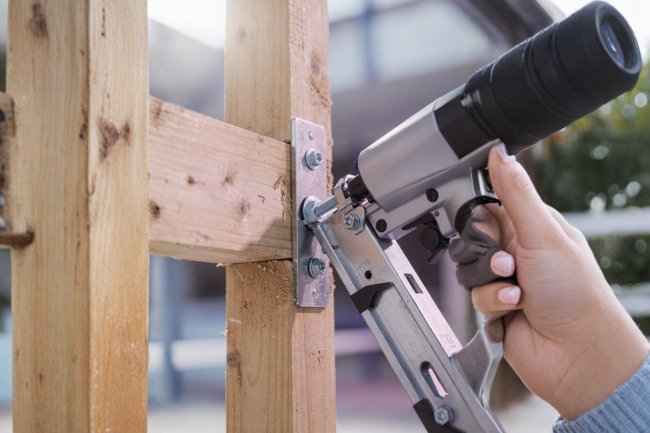
Before anchoring wood nailers, teams should verify substrate conditions, deck flatness, existing penetrations, and previously installed MEP rough-ins.
Photographing existing conditions creates a documented baseline for accountability and simplifies future coordination reviews and inspections.
Managing
Field Changes
Field conditions often require adjustments to nailer placement, anchorage, or system routing — but changes must follow a formal engineering review process.
Any deviation from approved coordination drawings should be documented through RFIs or field directives before work proceeds.
Coordination Only Works When Everyone Follows the Process
Successful field coordination depends on disciplined communication between structural, MEP, and site management teams. Formal approvals, documented changes, and shared coordination drawings ensure that design intent is preserved from the drawing stage through final installation.
Project Execution Insights
Key Takeaways for Your
Next Wood Nailer Project
Effective coordination between structural and MEP teams directly improves quality, schedule reliability, and cost control across complex construction environments.
Start Coordination Early
Nailer zones should be defined and shared with MEP teams during schematic design — not delayed to construction documents or field execution stages.
Leverage BIM and CAD Tools Fully
Nailers should be modeled with sufficient detail to support clash detection. Structural and MEP drawings must be cross-referenced and issued as coordinated packages.
Own Your Documentation
Meeting minutes, clash logs, submittals, and field directives are essential control tools — not administrative overhead — ensuring continuity during project changes.
Make Communication Structured
RFIs, submittals, and coordination reviews must follow formal processes. Informal communication should always be documented for traceability and accountability.
Verify in the Field Before You Cover Up
Joint field verification walks before anchoring nailers and closing assemblies remain one of the most cost-effective quality control measures in construction execution.