How Quality Steel Joist Shop Drawings Prevent Costly Construction Errors
In the fast-paced world of construction, precision isn't just preferred—it's essential. Steel joist shop drawings serve as the blueprint for structural success, transforming engineering concepts into buildable reality. When executed with expertise, these detailed technical documents prevent costly errors, eliminate field conflicts, and keep projects on schedule and within budget.

The Critical Role of Shop Drawings in Steel Construction
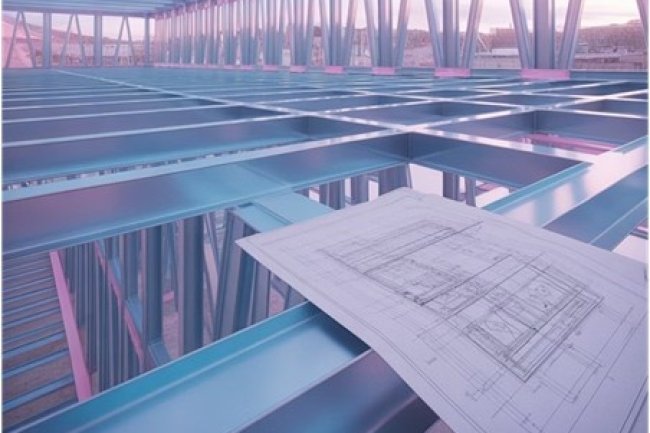
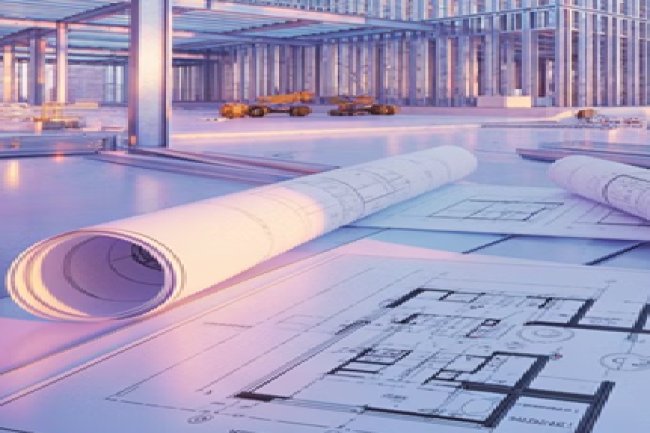
| Shop drawings bridge the gap between design intent and actual fabrication. Unlike architectural drawings that show what something should look like, shop drawings specify exactly how to build it. For steel joists, this means detailing every connection, dimension, material specification, and installation sequence. These documents become the contractor's roadmap, the fabricator's instruction manual, and the inspector's verification tool—all rolled into one comprehensive package. |
|

Common Construction Errors That Quality Shop Drawings Prevent
Dimensional Conflicts
Inaccurate measurements lead to components that don’t fit during installation. Quality shop drawings catch these discrepancies before fabrication begins, preventing expensive rework and project delays.
Connection Failures
Improperly detailed connections compromise structural integrity. Precise shop drawings specify exact connection types, bolt patterns, and welding requirements to ensure safe, code-compliant assemblies.
System Clashes
Steel joists often compete for space with MEP systems. Thorough coordination through detailed drawings identifies conflicts early, allowing teams to resolve issues on paper rather than in the field.
The Financial Impact of Poor Documentation
The true cost of inadequate shop drawings extends far beyond the drawing board. Field modifications to correct errors can cost 5–10 times more than resolving issues during the design phase. Delayed schedules disrupt other trades, material waste escalates rapidly, and labor costs multiply as crews wait for solutions.
40%
Rework Costs
Industry studies show that up to 40% of construction rework originates from poor documentation and coordination failures.
3–5×
Time Delays
Projects affected by shop drawing errors often experience schedule extensions three to five times longer than originally anticipated.
$100K+
Average Loss
A single major coordination error in steel framing can exceed $100,000 when accounting for labor, materials, delays, and rework.
Essential Elements of High-Quality Steel Joist Shop Drawings
A structured approach that ensures accuracy, coordination, and constructability
-
01 · Comprehensive Detailing
Every joist member, connection plate, and fastener must be clearly identified with precise dimensions, material grades, and finish specifications to eliminate fabrication guesswork.
-
02 · Code Compliance Verification
Shop drawings must demonstrate compliance with applicable building codes, including load calculations, fire ratings, and seismic requirements, with references to specific code sections.
-
03 · Coordination Notes
Clear callouts for interfaces with architectural and MEP systems, including penetrations, hangers, and clearance requirements, prevent costly field conflicts.
-
04 · Installation Sequences
Step-by-step erection procedures guide field teams through the intended construction methodology, improving safety and reducing installation errors.
The Consac Advantage in Steel Detailing Excellence
Consac brings decades of specialized expertise to steel joist shop drawing preparation. Our team of experienced detailers and engineers combines deep technical knowledge with advanced BIM technology to deliver drawings that meet the highest industry standards.
We understand that successful steel fabrication requires more than just accurate dimensions—it demands clear communication, thorough coordination, and proactive problem-solving. Our quality control processes catch potential issues before they reach the fabrication shop, saving our clients time and money while ensuring structural integrity.
Technology and Best Practices for Error-Free Deliverables
3D BIM Modeling
Building Information Modeling allows for virtual construction and clash detection before a single piece of steel is cut. This technology identifies spatial conflicts and coordination issues that traditional 2D drawings might miss.
Cross-Discipline Coordination
Regular coordination meetings with architects, structural engineers, and MEP teams ensure all systems work together harmoniously. Early collaboration prevents costly surprises during construction.
Multi-Level Review
Professional drawing sets undergo multiple quality checks by senior engineers and detailers. This layered review process ensures accuracy, completeness, and code compliance at every stage.
Invest in Quality Documentation for Long-Term Success
Accurate Drawings
Detailed, coordinated shop drawings from experienced professionals ensure clarity and precision for every joist and connection.
Smooth Fabrication
Error-free production with minimal field modifications reduces rework and keeps the project on track.
Project Success
On-time delivery, reduced costs, and satisfied stakeholders are the result of high-quality documentation and coordination.
Quality steel joist shop drawings aren't an expense—they're an investment in project success. Partnering with experienced detailing professionals who understand both technical requirements and practical construction realities protects your project from costly errors while ensuring structural integrity and code compliance. The difference between adequate and exceptional shop drawings often determines whether a project finishes on time and on budget or becomes a cautionary tale of rework and delays.
What's Your Reaction?