Steel Joist Shop Drawings: Ensuring Code Compliance
In the complex world of structural steel fabrication, shop drawings serve as the critical bridge between design intent and physical reality. For steel joists specifically, these detailed technical documents must navigate a maze of building codes, safety standards, and engineering specifications to ensure every component meets rigorous compliance requirements before fabrication begins.

What Are Steel Joist Shop Drawings?
|
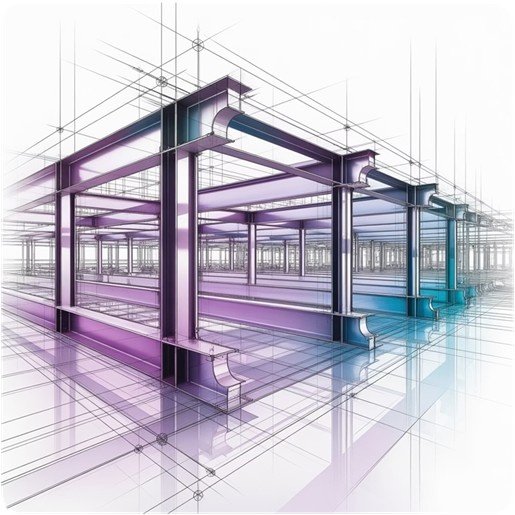
Steel joist shop drawings are highly detailed technical documents that translate architectural and structural design concepts into fabrication-ready specifications. Unlike general construction drawings, these documents contain precise measurements, connection details, material specifications, and load-bearing calculations specific to each joist member. These drawings serve as the manufacturer's blueprint, providing fabricators with everything needed to produce joists that meet both the engineer's structural requirements and applicable building codes. |
|
The Critical Role of Code Compliance
Why adherence to established standards is fundamental to safe, reliable, and defensible steel joist detailing.
Safety Standards
Compliance ensures structural integrity and occupant safety throughout the building's lifecycle.
Legal Requirements
Meeting IBC, AISC, and local jurisdiction codes prevents costly delays, disputes, and legal exposure.
Quality Assurance
Code-compliant drawings reduce fabrication errors and ensure consistent quality standards across all joist components.
Building codes aren't merely suggestions—they represent decades of engineering knowledge, lessons learned from structural failures, and consensus standards developed to protect public safety. For steel joist shop drawings, compliance touches every aspect from material grades and weld specifications to connection details and load calculations.
Key Code Standards for Steel Joist Drawings
International Building Code (IBC)
Provides comprehensive requirements for structural design, load calculations, and safety factors. The IBC forms the foundation for most U.S. jurisdictions and establishes minimum performance criteria for structural systems.
AISC Standards
Published by the American Institute of Steel Construction, these standards govern structural steel design, fabrication, and erection, including connection design, member sizing, and quality requirements.
Steel Joist Institute (SJI)
SJI specifications define standardized practices for open web steel joists and joist girders, including load tables, span limits, and bridging requirements that must be clearly shown in shop drawings.
AWS Welding Codes
American Welding Society codes establish acceptable welding procedures, inspector qualifications, and quality criteria that must be documented in connection and fabrication details.
Essential Elements of Compliant Shop Drawings
A structured checklist ensuring steel joist shop drawings meet all applicable codes, standards, and fabrication requirements.
Complete Dimensional Information
Every joist must include overall length, depth, spacing, and end conditions with tolerances matching AISC standards.
Material Specifications
Steel grades, yield strengths, and material certifications must be clearly identified and verified as code-compliant.
Load Calculations
Design loads, load combinations, and safety factors must be documented and checked against governing code requirements.
Connection Details
Bolt patterns, weld sizes, seat angles, and bearing conditions must satisfy structural connection standards and project specifications.
Fabrication Notes
Special requirements, quality control procedures, and inspection criteria ensure consistent, code-compliant fabrication.
The Review and Approval Process
Who Reviews Shop Drawings?
- Structural Engineer of Record
Verifies design intent and structural adequacy - General Contractor
Confirms coordination with other trades and schedule - Building Department
Ensures local code compliance and permit requirements - Third-Party Inspectors
Review for specific jurisdictions or project types
Common Compliance Issues
Even experienced detailers encounter challenges. Typical issues include outdated code references, missing load calculations, inadequate connection details, or conflicts between different code provisions.
Catching these early prevents expensive fabrication delays and streamlines the overall approval process.
Companies like Consac specialize in producing accurate, code-compliant shop drawings that anticipate reviewer concerns and streamline the approval process through careful attention to regulatory details and industry best practices.
Best Practices for Maintaining Compliance
Stay Current with Code Updates
Building codes evolve regularly. Maintain subscriptions to current IBC, AISC, and SJI publications. Attend industry seminars and training sessions to understand how amendments affect steel joist detailing requirements.
Leverage Technology
Modern BIM and detailing software includes built-in code checking features that flag potential violations. These tools improve accuracy while reducing manual review time and minimizing human error.
Coordinate Early and Often
Engage with structural engineers, fabricators, and erectors during the design phase. Early coordination helps identify code conflicts before they become costly problems during fabrication or construction.
Implement Quality Control
Establish internal review procedures before submitting drawings. Use standardized checklists covering all code-required elements to ensure nothing is overlooked under tight project deadlines.
The Bottom Line: Compliance Equals Project Success
Code-compliant steel joist shop drawings are non-negotiable for project success. They protect public safety, satisfy legal requirements, prevent costly rework, and keep projects on schedule. While producing these detailed documents requires expertise, attention to detail, and current code knowledge, the investment pays dividends through smoother approvals, faster fabrication, and confident construction.
Whether you're a project manager coordinating submittals, an engineer reviewing designs, or a detailer preparing drawings, understanding code compliance requirements ensures your steel joist projects meet the highest standards of safety and quality. In an industry where precision matters, getting the details right from the start makes all the difference.
Key Takeaway: Invest time in thorough, code-compliant shop drawings upfront. The hours spent ensuring accuracy and regulatory compliance prevent weeks of delays and thousands of dollars in rework down the line.
What's Your Reaction?