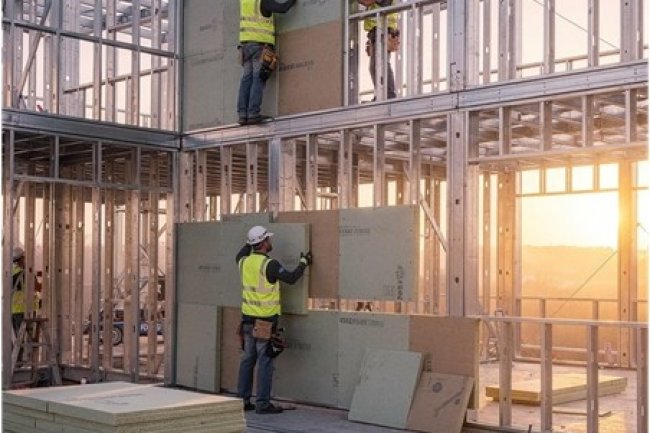
Quality Control in Light Gauge Steel Fabrication
In the construction and manufacturing industries, light gauge steel has become the backbone of modern structural systems. From residential framing to commercial infrastructure, the reliability of these components depends entirely on rigorous quality control processes. This presentation explores why quality control isn't just a checkpoint—it's the foundation of structural integrity, regulatory compliance, and long-term performance in light gauge steel fabrication.
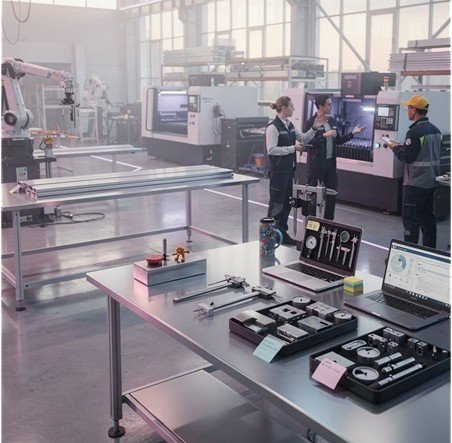
Why Quality Control Matters
Quality control in light gauge steel fabrication serves as the critical bridge between design intent and real-world performance. Every beam, joist, and connector must meet exacting standards to ensure the safety of occupants and the longevity of structures.
Beyond safety, quality control protects your project from costly rework, delays, and potential liability issues. It ensures compliance with building codes, industry standards like ASTM and AISI specifications, and contractual obligations. For project managers and general contractors, robust QC processes mean predictable timelines, controlled budgets, and confident stakeholder communication.
The Five Pillars of Steel Fabrication QC
Material Verification
Confirming steel grade, thickness, coating specifications, and mill certifications before fabrication begins.
Dimensional Accuracy
Ensuring precise measurements, tolerances within ±1/16", and proper alignment across all components.
Connection Integrity
Validating welds, fasteners, and joint configurations meet structural engineering specifications.
Surface Treatment
Inspecting galvanization, coatings, and corrosion protection to ensure long-term durability.
Documentation
Maintaining comprehensive records, inspection reports, and traceability throughout the fabrication process.
Quality control has evolved far beyond manual measurements and visual inspections. Today's fabrication shops leverage advanced technology to achieve unprecedented precision and consistency.
Captures precise dimensional data for verification against BIM models and design specifications, ensuring components meet exact tolerances.
Computer-controlled measurement devices ensure consistent accuracy across high-volume production while reducing human error.
Cloud-based QC platforms enable real-time reporting, traceability, and faster collaboration between fabrication teams and project managers.
Modern QC Tools and Technologies
Digital Transformation
3D Laser Scanning
Automated Inspection Systems
Digital Documentation
Compliance Standards and Industry Benchmarks
Key Regulatory Framework
Light gauge steel fabrication operates within a comprehensive regulatory ecosystem designed to ensure structural safety and performance. Understanding these standards is essential for engineering consultants, design engineers, and facility planners who specify and approve fabrication processes.
The American Iron and Steel Institute (AISI) provides foundational design specifications, while ASTM standards govern material properties and testing methods. Local building codes translate these technical requirements into enforceable regulations. Companies like Consac integrate these standards into their fabrication workflows, ensuring every component meets or exceeds required benchmarks.
Issue: Components don't fit during assembly.
Prevention: In-process verification, calibrated equipment, and trained operators.
Issue: Wrong steel grade or thickness used.
Prevention: Rigorous material tracking, mill certificate verification, and clear labeling systems.
Issue: Premature corrosion or coating damage.
Prevention: Proper surface preparation, controlled application environments, and adhesion testing.
Issue: Inadequate welds or fastener problems.
Prevention: Certified welders, standardized procedures, and non-destructive testing when required.
Common Quality Issues and Prevention Strategies
Dimensional Deviations
Material Substitutions
Coating Failures
Connection Defects
Quality control in light gauge steel fabrication isn't simply about checking boxes—it's about building confidence at every level of your project. For project managers, it means predictable schedules and controlled costs. For design engineers, it ensures their calculations translate into reality. For developers and general contractors, it provides the assurance that structural components will perform as specified for decades to come.
As digital tools and BIM integration continue to advance, quality control processes become more precise, transparent, and collaborative. By partnering with fabricators who prioritize rigorous QC protocols, you protect your investment, ensure compliance, and deliver structures that stand the test of time.
Ready to elevate your next project with precision-fabricated light gauge steel? Implement these quality control principles to ensure structural integrity and long-term performance.
Start Your Next Project Building Reliability Through Excellence
What's Your Reaction?