Mastering Steel Joist Design and Detailing: Best Practices for 2025
Steel joists remain a cornerstone of efficient structural design, offering strength, cost-effectiveness, and versatility across commercial, industrial, and residential projects. As we move into 2025, evolving codes, advanced fabrication methods, and digital workflows are reshaping how engineers approach joist design and detailing.
Why Steel Joist Design Matters More Than Ever
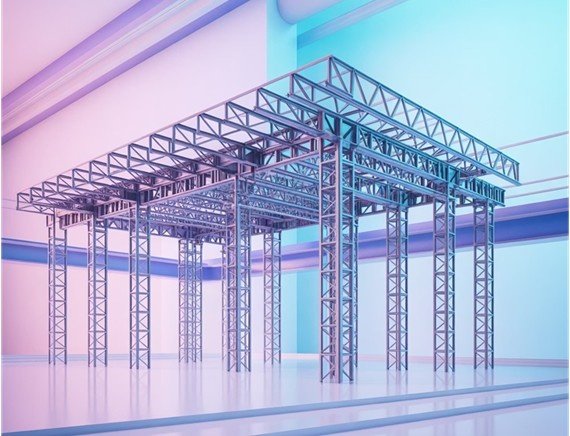
| Steel joists are engineered load-bearing members that span between supports to carry floor and roof loads. Their efficiency comes from optimized web configurations and chord designs that maximize strength while minimizing material use. In today's construction environment, precision in joist design directly impacts project timelines, budgets, and structural integrity. Poor detailing can lead to fabrication delays, field conflicts, and costly rework. |
|
Understanding Joist Types and Applications
1 · Open Web Steel Joists (K-Series)
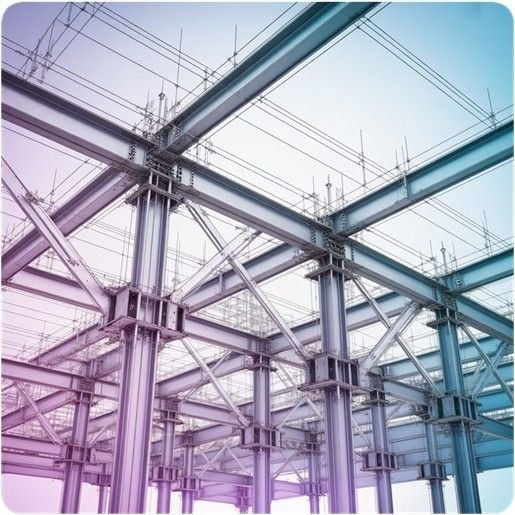
Typically used for roof applications and lighter floor systems. Span ranges from 8 to 60 feet with depths from 10 to 30 inches. Ideal for commercial buildings, schools, and retail spaces.
2 · Longspan Steel Joists (LH/DLH-Series)
Designed for longer spans up to 96 feet with deeper sections. Perfect for warehouses, manufacturing facilities, and large assembly spaces requiring minimal interior columns.
3 · Deep Longspan Joists (DLH-Series)
Heavy-duty applications requiring maximum load capacity and extended clear spans. Common in industrial buildings, aircraft hangars, and distribution centers with significant live loads.
4 · Joist Girders
Primary support members that carry joist reactions. Essential for creating efficient framing systems with reduced column quantities. Require careful coordination with building grids and equipment loads.
Core Design Principles for 2025
Code Compliance
Follow the latest Steel Joist Institute (SJI) specifications and AISC standards. Understanding load combinations, deflection limits, and connection requirements prevents costly redesigns.
Deflection Control
Balance strength requirements with serviceability criteria. Excessive deflection affects finishes, equipment performance, and occupant comfort even when structural capacity is adequate.
Load Analysis
Accurately calculate dead loads, live loads, snow loads, and seismic forces. Consider equipment loads, mechanical systems, and future expansion requirements during preliminary design phases.
Detailing Excellence: From Concept to Fabrication
Professional detailing transforms design intent into constructible reality. Companies like Consac specialize in creating comprehensive steel joist shop drawings that bridge the gap between structural engineers and fabricators, ensuring accuracy and coordination throughout the construction process.
-
01 · Connection Design
Detail seat angles, bridging attachments, and joist-to-girder connections with clear weld symbols and bolt specifications. Consider erection sequences and field accessibility.
-
02 · Bearing and Support
Verify adequate bearing lengths and support conditions. Document special requirements for sloped joists, non-standard connections, or concentrated loads.
-
03 · Bridging Requirements
Specify horizontal and diagonal bridging per SJI standards. Proper bridging prevents lateral buckling and distributes loads effectively across the joist system.
-
04 · Coordination Notes
Include clear fabrication and erection notes. Address paint specifications, delivery sequences, and field modifications to prevent misunderstandings.
Leveraging BIM and Digital Workflows
Modern Advantages
Building Information Modeling (BIM) revolutionizes joist design by enabling 3D visualization, clash detection, and automated quantity takeoffs. Integrated workflows reduce errors and accelerate project delivery. Key benefits include:
-
Real-time coordination with MEP systems
-
Automated shop drawing generation
-
Clash detection before fabrication
-
Enhanced collaboration across teams
-
Improved accuracy in material estimates
Advanced software platforms integrate design calculations, detailing standards, and fabrication requirements into unified digital environments. This integration minimizes manual errors and ensures consistency between design documents and shop drawings.
Common Pitfalls and How to Avoid Them
Inadequate Load Path Documentation
Clearly show how loads transfer from deck to joists to supports. Ambiguous load paths lead to fabrication confusion and potential structural inadequacies during construction.
Poor Coordination with Other Trades
Account for ductwork, plumbing, and electrical penetrations early. Late discoveries of conflicts cause expensive field modifications and project delays.
Neglecting Serviceability
Design for vibration control and deflection limits, not just ultimate strength. Occupant comfort and equipment performance depend on controlling movement under service loads.
Incomplete Connection Details
Provide complete information for all connection types. Missing specifications force fabricators to make assumptions that may not align with design intent.
Moving Forward: Your Action Plan
Excellence in steel joist design and detailing requires technical knowledge, attention to detail, and collaborative workflows. As projects grow more complex and schedules tighten, investing in proper design processes and digital tools becomes essential.
Stay Updated
Review the latest SJI specifications and industry standards regularly. Attend technical seminars and maintain professional development to keep skills current.
Invest in Technology
Adopt BIM workflows and specialized steel detailing software. The upfront investment pays dividends through reduced errors and faster project delivery.
Partner with Experts
Collaborate with experienced detailing firms for complex projects. Their specialized knowledge helps navigate challenging design scenarios and ensures code compliance.
By implementing these best practices and leveraging modern tools, your team can deliver steel joist systems that meet performance requirements, stay within budget, and support successful project outcomes well into 2025 and beyond.
What's Your Reaction?