Light Gauge Steel for High-Rise Buildings: A Feasibility Study
Breaking beyond the low-rise stereotype to explore the untapped potential of light gauge steel in vertical construction.
Challenging the Low-Rise Perception
|
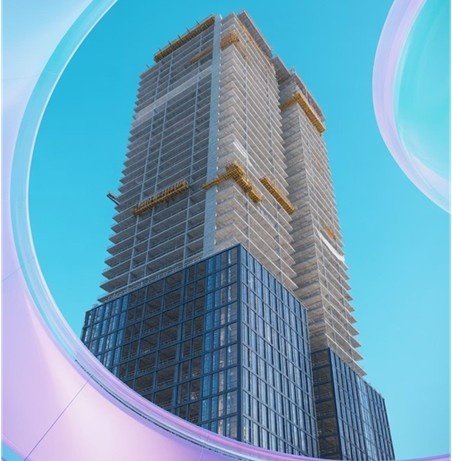
For years, light gauge steel framing has been viewed as suitable only for low-rise residential and small commercial structures. This assumption has limited its use in taller buildings, even as engineering advancements prove its expanded potential. Modern light gauge steel systems, when combined with appropriate structural components, now support multi-story applications once considered impractical. Evaluating feasibility means understanding both the technical performance and economic advantages that position LGS as a viable option in high-rise construction. |
|
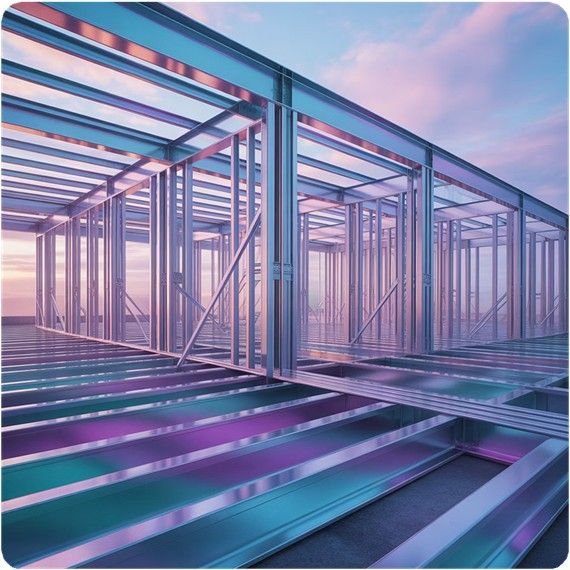
Technical Capabilities and Structural Considerations
Load-Bearing Capacity
Light gauge steel provides high strength-to-weight performance for mid-rise structures up to 8–10 stories.
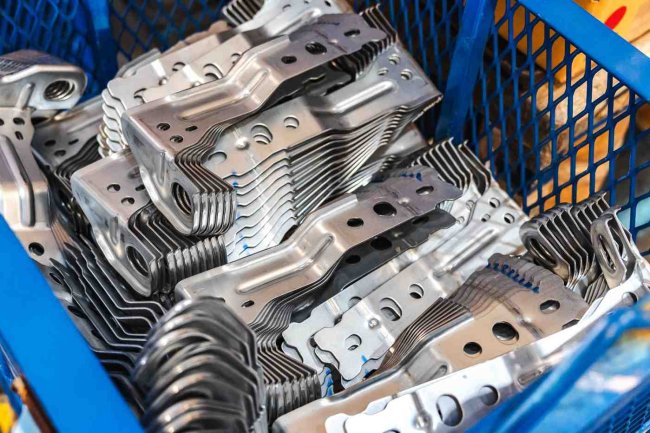
- Cold-formed C-channel systems
- Back-to-back vertical reinforcing
- Efficient vertical load transfer
Lateral Resistance
Engineered deflection limits and bracing solutions ensure stability against wind and seismic forces.
- Shear walls & diagonal bracing
- Precision load path modeling
- Code-driven performance design
Hybrid Integration
Combine LGS with steel, concrete, or timber to maximize height, resilience, and efficiency.
- Mixed-material structural systems
- Reduced overall building weight
- Flexible architectural possibilities
Economic and Construction Advantages
Prefabrication Efficiency
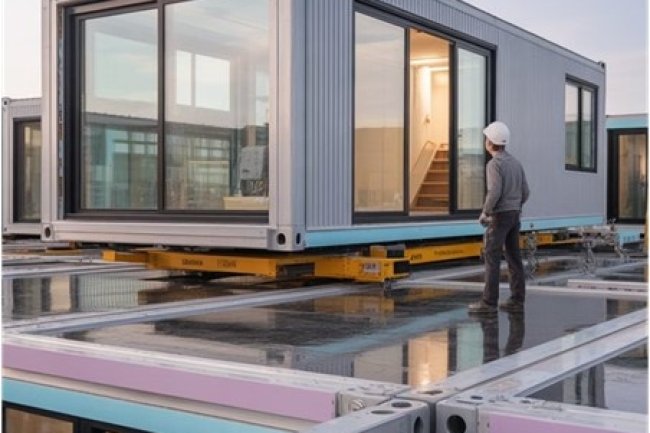
Light gauge steel components are manufactured off-site with millimeter precision, reducing on-site labor costs by up to 40% compared to traditional methods. Prefabricated wall panels, floor cassettes, and roof trusses arrive ready for rapid assembly, compressing construction schedules significantly.
Foundation Cost Reduction
The lightweight nature of steel framing—approximately 60% lighter than comparable concrete structures—translates directly to reduced foundation requirements. This becomes particularly valuable on sites with challenging soil conditions or where deep foundations would otherwise be necessary.
Speed to Occupancy
Weather-independent installation and elimination of concrete curing times can shave months off project timelines. For developers, earlier occupancy means earlier revenue generation and reduced financing costs.
Real-World Performance Data
Case Study Insights
Recent mid-rise projects using light gauge steel have shown strong results:
-
A 7-story mixed-use project in Phoenix completed structural framing in 11 weeks, versus 24 weeks using traditional methods.
-
Seismic testing of 6-story LGS structures in California demonstrated lateral drift well within allowable limits.
-
Post-occupancy evaluations reported zero structural concerns and high occupant satisfaction.
Companies like Consac are extending these successes through advanced BIM workflows and precise structural detailing to support larger, more complex developments.
Critical Design Considerations
Thermal Bridging Management
Steel's high thermal conductivity demands continuous insulation and thermally broken framing to prevent energy loss and condensation.
Connection Engineering
Steel requires precise load paths and proper fastener selection. BIM coordination ensures accurate, clash-free connections.
Fire Protection Requirements
Gypsum encasement, intumescent coatings, or composite assemblies deliver required fire ratings without excessive cost.
Acoustic Performance
Sound isolation clips, resilient channels, and cavity insulation ensure proper acoustic separation in high-rise living environments.
The Path Forward: Implementation Strategy
Early Engineering Integration
Engage LGS-experienced structural engineers early in schematic design to identify opportunities and resolve constraints before decisions are locked in.
Comprehensive BIM Coordination
Develop highly coordinated 3D models. LGS precision requires clash-free fabrication models and accurate shop drawings.
Qualified Fabricator Selection
Choose fabricators with proven high-rise capability. Review previous projects and quality control processes to ensure reliability.
Contractor Education
Provide proper training for field crews. LGS installation differs from traditional methods — education prevents costly rework and delays.
Key Takeaways
Viable for 6–10 Stories
Properly engineered light gauge steel systems can support mid-rise construction, especially when integrated with hybrid structural elements.
Cost and Speed Advantages
Prefabrication efficiency, reduced foundation costs, and accelerated schedules provide compelling economic benefits that improve project feasibility and ROI.
Engineering Expertise Required
Success depends on experienced structural engineers, detailed BIM coordination, and qualified fabricators familiar with high-rise LGS construction.
Practical Reality
The feasibility of light gauge steel in high-rise projects is proven. Forward-thinking teams can leverage it for faster, cost-effective vertical construction.
What's Your Reaction?