The Role of Parametric Modeling in Rebar Detailing
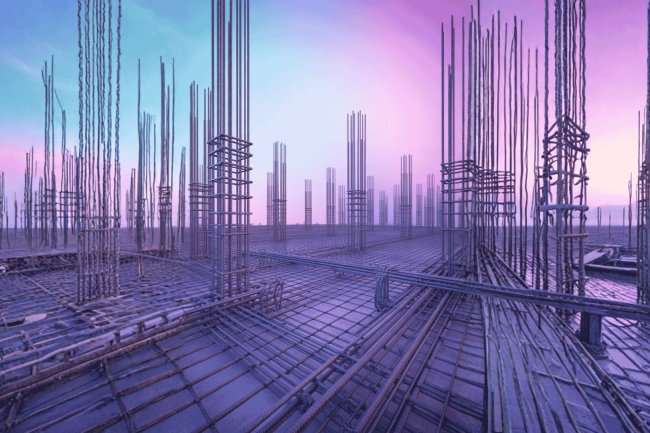
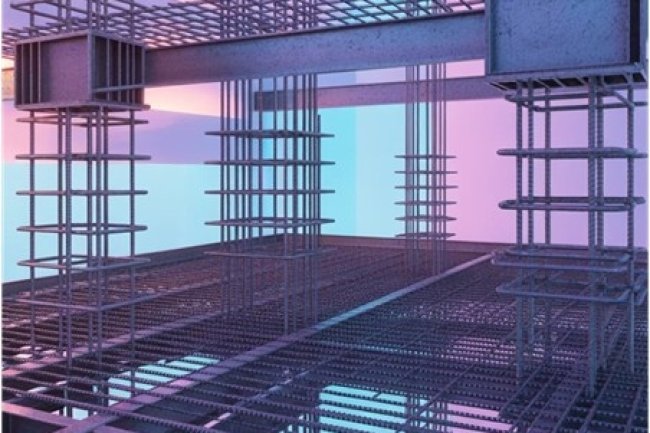
Parametric modeling introduces intelligent relationships between rebar elements, allowing changes in one part of the model to automatically update all connected components. This capability significantly reduces manual adjustments and ensures consistency across complex reinforcement systems.
What Is Parametric Modeling?
Traditional Approach
- Manual drawings requiring complete redrafting for changes
- Time-consuming revisions leading to delays and cost increase
- Fixed geometric relationships
- Labor-intensive modifications
- Higher error probability
- Limited design exploration
Parametric Approach
- Rule-based modeling with automatic updates
- Dynamic design flexibility
- Instant revision propagation
- Automated coordination
- Enhanced accuracy
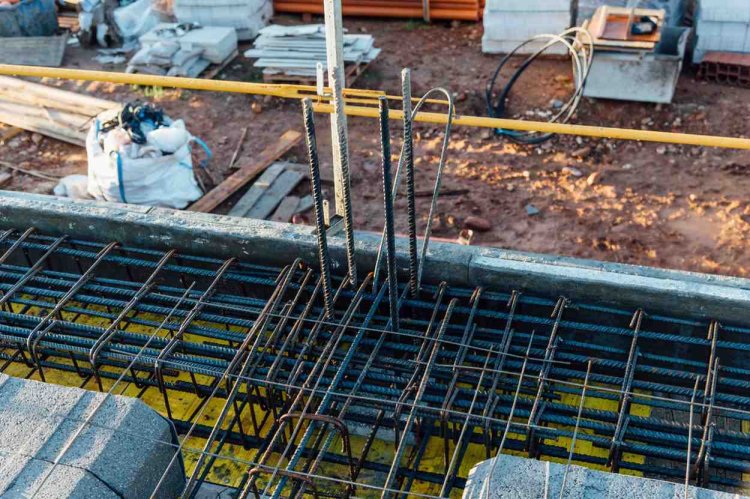
Parametric modeling uses algorithms and defined relationships to create intelligent 3D models. In rebar detailing, this means steel reinforcement automatically adjusts to structural changes, maintaining proper spacing, coverage, and code compliance throughout the design process.
Key Benefits for Rebar Detailing
Rapid Revisions
Design changes that once took days now happen in minutes. Parametric relationships ensure all affected elements update simultaneously across the entire model.
Design Adaptability
Easily accommodate structural modifications without starting from scratch. The model intelligently reconfigures rebar patterns while maintaining engineering standards.
Enhanced Accuracy
Eliminate manual calculation errors through automated rules. Parametric constraints ensure proper spacing, concrete cover, and bar arrangement every time.
Better Coordination
Seamless integration with BIM workflows allows real-time clash detection and coordination with other building systems throughout the project lifecycle.
How Parametric Modeling Transforms the Revision Process
01 Initial Design Setup
Engineers establish parametric rules defining rebar spacing, coverage requirements, lap lengths, and code compliance parameters within the 3D model.
02 Automated Intelligence
The model creates relationships between structural elements and reinforcement. When beams resize or columns move, rebar configurations update automatically.
03 Instant Revisions
Design changes trigger immediate updates across all related elements. What traditionally required hours of manual redrafting now happens in seconds.
04 Quality Verification
Built-in checks validate spacing, coverage, and code compliance automatically. Errors are flagged immediately, preventing costly field corrections.
This systematic approach dramatically reduces revision time while improving accuracy. Teams at Consac have seen revision cycles cut by up to 70% compared to traditional methods, allowing faster project delivery without compromising quality.
Implementation Best Practices
Start with Clear Standards
Establish project-specific rules for spacing, coverage, and bar arrangements before modeling begins. Document these parameters for consistency across the team.
Build Flexible Families
Create reusable parametric components for common conditions. Well-designed families save time on future projects and ensure standardization.
Integrate with BIM Workflows
Connect parametric rebar models to the overall BIM coordination process. Enable clash detection and ensure reinforcement coordinates with MEP and architectural systems.
Train Your Team
Invest in proper training for detailers and engineers. Understanding parametric logic maximizes efficiency and prevents modeling errors.
Validate and Document
Implement quality control checks at key milestones. Generate clear documentation showing how parameters drive the design for review and approval.
Continuous Improvement
Encourage iterative feedback, monitor outcomes, and refine workflows for better accuracy and efficiency on future projects.
Measurable Impact on Project Delivery
70%
Faster Revisions
Reduction in time required to implement design changes compared to manual methods.
85%
Error Reduction
Fewer field coordination issues and RFIs due to automated accuracy checks.
40%
Cost Savings
Lower detailing labor costs and reduced material waste from improved optimization.
These improvements translate directly to competitive advantages: faster bid preparation, reduced contingencies, and the ability to confidently handle complex projects that competitors avoid. Parametric modeling isn't just about technology — it's about delivering better outcomes for clients.
The Future of Rebar Detailing
AI Integration
Machine learning algorithms suggest optimal reinforcement patterns based on structural loads and historical project data.
AR Visualization
Field teams use augmented reality to visualize parametric models on-site, ensuring placement matches design intent.
Automated Fabrication
Direct links between parametric models and automated rebar bending facilities eliminate manual shop drawing interpretation.
Parametric modeling represents a fundamental shift in how we approach rebar detailing. For project managers, engineers, and contractors looking to improve efficiency and accuracy, embracing these tools isn't optional — it's essential for staying competitive.
The technology delivers measurable results: faster revisions, fewer errors, and better coordination throughout the construction process. Whether you're detailing a simple foundation or a complex high-rise, parametric modeling provides the adaptability modern projects demand. The question isn't whether to adopt this approach, but how quickly you can integrate it into your workflow to gain these advantages.
What's Your Reaction?