Bridging Layouts and Seat Designs: Key Detailing Insights for Stable Structures
In structural engineering, the connection between large-scale layout planning and individual component design often determines project success. When it comes to stadium seating, amphitheaters, or transit facilities, the bridge between macro-level spatial arrangements and micro-level seat detailing requires precision, coordination, and technical insight.
Why Layout and Seat Design Integration Matters
|
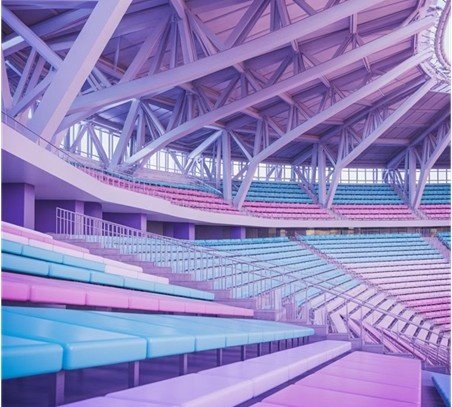
The relationship between overall facility layout and individual seat placement impacts everything from structural loads to user experience. Poor integration leads to costly revisions, safety concerns, and compromised functionality. Understanding this connection early in the design phase helps engineers anticipate challenges, optimize material usage, and ensure regulatory compliance. It’s where engineering precision meets practical application. |
|
Structural Considerations for Seating Systems
Load Distribution
Calculate combined dead loads (seat weight, structure) and live loads (occupant weight, dynamic forces). Proper load paths prevent structural failure and ensure long-term stability.
Geometric Constraints
Sightlines, row spacing, and accessibility requirements dictate seating geometry. These spatial parameters directly influence structural framing and connection details.
Connection Details
Anchor points, fastener specifications, and interface conditions between seats and supporting structure require meticulous documentation for safe installation.
Critical Detailing Elements That Ensure Stability
Successful seating structures depend on careful attention to specific detailing components. Each element plays a distinct role in maintaining structural integrity while accommodating real-world performance requirements.
1 Anchoring Systems
Specify appropriate anchor types based on substrate material4concrete, steel, or composite decking. Include embedment depths, edge distances, and torque specifications.
2 Deflection Limits
Establish acceptable deflection criteria for both comfort and structural performance. Excessive movement creates user anxiety and accelerates material fatigue.
3 Expansion and Contraction
Account for thermal movement in material selection and joint design. Temperature-induced stress can compromise connections if not properly addressed.
Coordinating Between Disciplines
Multi-Team Collaboration
Effective seating design requires seamless coordination between architects, structural engineers, manufacturers, and contractors. Companies like Consac specialize in this cross-disciplinary integration, providing architectural, engineering, and digital solutions that bridge the gap between design intent and construction reality.
01 Architectural Vision
Establishes spatial concepts, aesthetics, and user experience goals
02 Structural Analysis
Validates load paths, connection capacities, and safety factors
03 Fabrication Details
Translates engineering requirements into manufacturable components
04 Installation Coordination
Ensures field conditions match design assumptions and sequencing
Digital Tools Transforming Seating Design
Modern detailing relies heavily on digital workflows that enhance accuracy and coordination. Building Information Modeling (BIM) and advanced CAD tools enable engineers to visualize complex geometry, detect clashes early, and generate precise fabrication documents.
Parametric Modeling
Quickly iterate seating layouts while maintaining dimensional relationships and updating downstream documentation automatically.
Clash Detection
Identify conflicts between seating systems and other building components before fabrication begins, reducing costly field changes.
Automated Documentation
Generate coordinated shop drawings, connection schedules, and installation sequences directly from the 3D model.
Common Pitfalls and How to Avoid Them
Inadequate Load Path Analysis
The Problem: Assuming uniform load distribution without analyzing actual force transfer mechanisms.
The Solution: Perform detailed structural analysis at both global and local levels and model realistic connection performance.
Ignoring Constructability
The Problem: Designs that are theoretically correct but impractical to build in real site conditions.
The Solution: Collaborate early with fabricators and installers, considering access, tool movement, and installation sequences.
Overlooking Maintenance Access
The Problem: Components that require major teardown for small repairs.
The Solution: Design with serviceability in mind — plan component replacement paths and document maintenance requirements early.
Building Better, More Stable Seating Structures
The intersection of layout planning and detailed seat design demands both technical expertise and practical construction knowledge. By focusing on load distribution, connection integrity, and cross-disciplinary coordination, engineers can deliver seating systems that perform reliably for decades.
Success comes from treating every detail as integral to the whole4understanding that the stability of thousands of seats depends on getting the small things right. Whether you're working on a sports venue, performing arts center, or transit facility, the principles remain constant: analyze thoroughly, detail precisely, and coordinate continuously.
Ready to elevate your next seating project? Apply these insights to bridge the gap between ambitious design concepts and stable, constructible reality.
What's Your Reaction?