Mastering Hybrid Construction: Coordinating Joists Across Multiple Building Systems
Modern construction projects are embracing hybrid structural systems that merge the strengths of steel, timber, concrete, and modular components. Combining steel joists with timber decks or concrete cores allows designers to achieve lighter structures, faster assembly, and greater architectural flexibility. However, this integration also introduces significant coordination and detailing challenges. Each material behaves differently under load, temperature, and vibration, demanding precise interface design and sequencing.
The Rise of Hybrid Construction Systems
Blending Strength, Sustainability, and Efficiency
Market Drivers
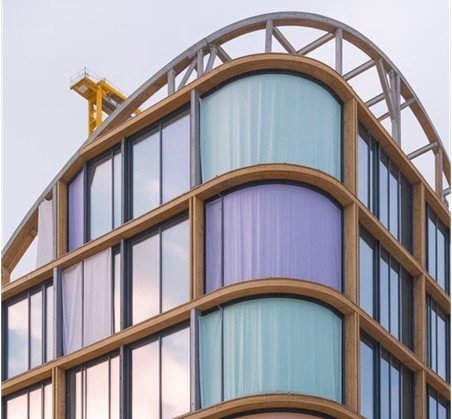
Hybrid construction has emerged as the preferred approach for modern projects seeking to optimize cost, performance, and sustainability. By combining the strengths of different materials — steel’s flexibility, timber’s sustainability, and concrete’s durability — projects achieve better outcomes than single-material approaches.
Growing Adoption
From high-rise residential towers with concrete cores and steel framing to commercial buildings integrating modular components, hybrid systems are becoming the industry standard. This trend reflects both technological advances and evolving project requirements.
Balancing Multiple Materials, Methods, and Timelines
Steel, timber, and concrete expand and contract at different rates under temperature and moisture changes. Without proper detailing, these differences create stress concentrations and potential failure points at connections.
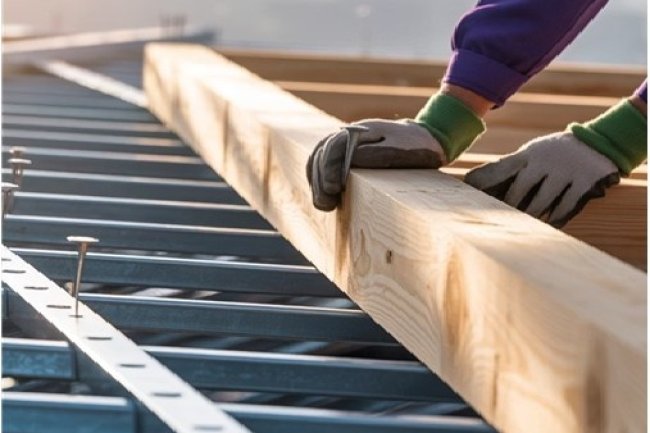
Each material requires specific connection methods and hardware. Coordinating these interfaces demands precise detailing to ensure structural integrity while accommodating different load transfer mechanisms.
Different materials follow distinct installation sequences and timelines. Steel erection, concrete curing, and timber assembly must be carefully orchestrated to prevent conflicts and delays.
Critical Coordination Challenges in Hybrid Projects
Material Expansion Rates
Connection Complexity
Construction Sequencing
Leveraging Digital Intelligence for Seamless Hybrid Construction
Create unified 3D models incorporating all material systems with accurate geometric and material properties.
Automatically identify interference between steel joists, concrete elements, and modular components before fabrication begins.
Simulate construction sequences to optimize workflow and minimize material handling conflicts, ensuring efficiency and accuracy.
BIM-Based Solutions for Multi-Material Coordination
Integrated Modeling
Clash Detection
Sequencing Optimization
Advanced Detailing Workflows for Hybrid Systems
Consac’s Integrated Approach
Hybrid construction demands more than just multi-material expertise—it requires seamless digital collaboration. Consac’s BIM-based detailing process provides a unified platform that integrates structural, architectural, and MEP data, ensuring accuracy and coordination from concept to fabrication.
Our workflow models all materials simultaneously, resolving complex interface challenges before they reach the job site. Every connection and interaction is engineered for performance, constructability, and compliance.
|
|
|
Quantifiable Results of Advanced BIM Coordination
BIM-coordinated hybrid projects show significant reduction in costly field modifications and rework.
Precise detailing and coordination accelerate construction timelines through improved workflow efficiency.
Integrated design approach reduces material waste and optimizes structural performance across all systems.
These improvements reflect the tangible benefits of sophisticated coordination workflows that address the complexities of modern hybrid construction from design through completion.
Project Success Through Integrated Engineering
35%
Reduced Rework
28%
Faster Installation
22%
Cost Savings
What's Your Reaction?