Integrating Woodnailers: An Overlooked Aspect of Steel Joist Detailing
Steel joist systems form the backbone of countless commercial and industrial structures across the United States. Yet amid the complexity of load calculations, connection details, and deflection analysis, one critical component often slips through the cracks during the detailing phase: woodnailers. These seemingly simple elements play a vital role in bridging structural steel with architectural finishes, and their proper integration can make or break a project's efficiency, timeline, and bottom line.
Understanding Woodnailers in Steel Construction
What Are Woodnailers?
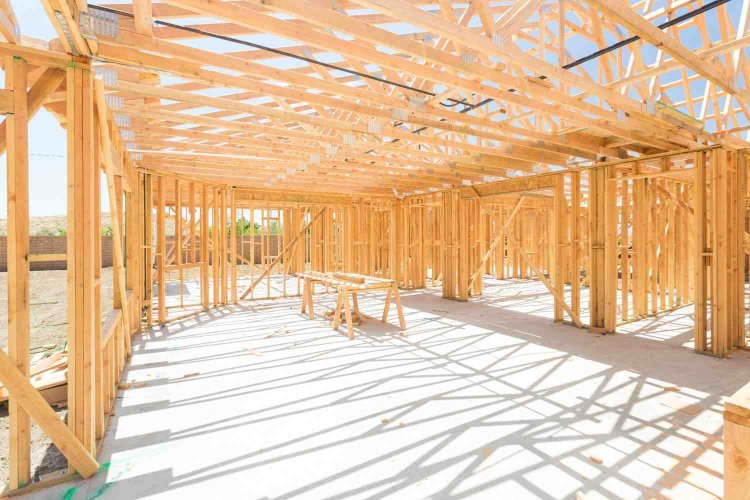
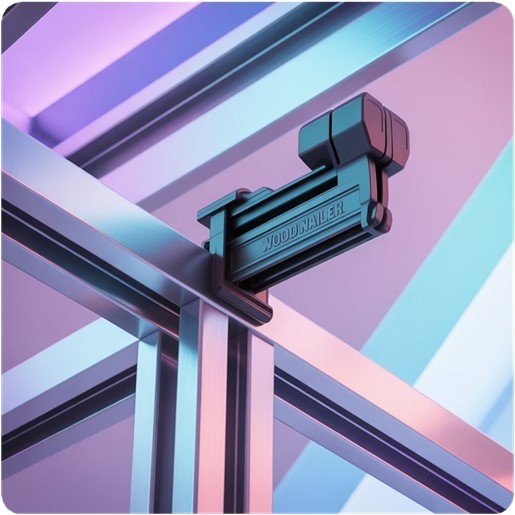
Woodnailers are dimensional lumber members attached to the top chord of steel joists, providing a nailing surface for roof decking, sheathing, or other wood-based finishes. They create the essential connection point between structural steel and architectural elements.
Why They Matter
Without properly detailed woodnailers, field crews face delays, material waste, and costly rework. These components must be specified early, coordinated with joist manufacturers, and clearly documented in shop drawings to ensure seamless installation.
Common Pitfalls in Woodnailer Detailing
Avoiding preventable issues that impact cost, schedule, and constructability
Late-Stage Specification
Woodnailers added after joist fabrication often require field modifications, increasing labor costs and causing schedule delays. Early coordination with steel detailers helps prevent this common and costly mistake.
Inadequate Sizing Information
Missing dimensions, lumber grades, or attachment specifications force field personnel to make assumptions, resulting in inconsistent installation and potential structural concerns.
Poor Connection Details
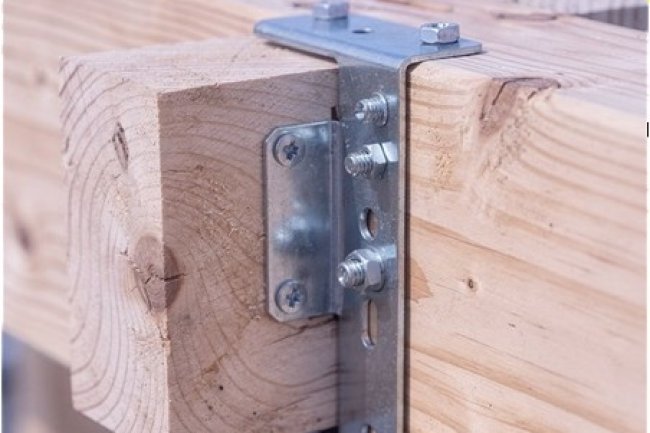
Undefined fastener types, spacing, or welding requirements create confusion during installation. Clear attachment methods must be specified for each application and loading condition.
The Detailing Process: Best Practices
Early Design Coordination
Identify woodnailer requirements during the schematic design phase. Communicate with architects, structural engineers, and joist manufacturers to establish sizing, placement, and connection methods before shop drawing production begins.
Shop Drawing Integration
Ensure joist shop drawings clearly show woodnailer locations, attachment details, and any required blocking or bridging. Companies like Consac specialize in this level of detail coordination, bridging the gap between design intent and constructible reality.
Comprehensive Documentation
Include woodnailer details in structural drawings and specifications. Document lumber species, dimensions, moisture content requirements, fastener schedules, and any special treatments like fire retardant or preservative applications.
Quality Control Review
Implement a systematic review process to verify woodnailer specifications against architectural requirements, building codes, and manufacturer recommendations before releasing drawings for fabrication.
Technical Considerations for Optimal Performance
|
Material Selection Attachment Methods Dimensional Accuracy |
|
BIM and Digital Coordination Advantages
Digital workflows enhance accuracy, coordination, and installation quality by connecting structural intent with real-world execution.
3D Visualization
Building Information Modeling allows teams to visualize woodnailer placement in full 3D context, identifying conflicts with MEP systems, structural members, and architectural features before fabrication begins.
Enhanced Communication
Shared 3D models improve collaboration between trades, ensuring all stakeholders clearly understand woodnailer requirements and installation sequences.
First-Time Quality
Digital coordination reduces misunderstandings and field improvisation, improving first-time installation accuracy and minimizing costly rework during construction.
Real-World Impact: Cost and Schedule Benefits
Measurable results achieved through proper woodnailer integration
Reduced Material Waste
Proper detailing eliminates field cutting and trial-and-error fitting, significantly reducing lumber waste and associated disposal costs.
Days Saved
Projects with well-coordinated woodnailer details avoid typical field delays, keeping framing and roofing trades on schedule.
Fewer RFIs
Clear documentation and early coordination dramatically reduce RFIs related to joist accessories and attachment details.
When woodnailers are properly integrated into steel joist detailing from the start, projects run smoother, budgets stay on track, and overall quality improves. The upfront investment in thorough detailing consistently pays dividends throughout construction and long-term building operation.
Moving Forward: Elevate Your Detailing Standards
Establish Clear Standards
Develop project-specific detailing standards that address woodnailer requirements consistently across all joist layouts and applications.
Invest in Coordination
Allocate time during design development for woodnailer coordination between all affected trades and disciplines.
Leverage Technology
Embrace BIM workflows and digital coordination tools that make woodnailer integration visible, reviewable, and constructible.
What's Your Reaction?