Precast Detailing Evolution
The Evolution of Precast Concrete Detailing
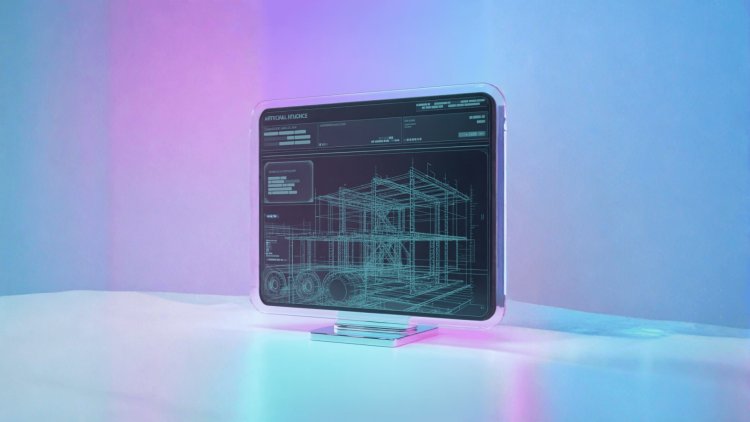
Precast detailing has transformed from manual drafting workflows into intelligent digital engineering systems powered by BIM, automation, and emerging AI technologies.
Traditional Methods
Manual drafting and 2D documentation dominated precast detailing for decades. Engineers spent extensive time producing shop drawings, coordinating reinforcement layouts, and resolving conflicts manually.
While effective for basic projects, this process was labor-intensive, susceptible to human error, and limited in handling complex geometries or rapid design revisions.
Digital Transformation
CAD and BIM technologies introduced 3D visualization, coordination, and clash detection, significantly improving detailing accuracy and collaboration efficiency.
Today, AI and automation are redefining precast engineering by accelerating workflows, reducing repetitive manual tasks, and enabling smarter design coordination.
AI-Powered Engineering
How AI Is Transforming Precast Workflows
Artificial intelligence is reshaping precast concrete engineering by accelerating detailing workflows, improving coordination accuracy, and enabling smarter fabrication planning.
Intelligent Design Recognition
AI algorithms analyze architectural models and automatically identify precast elements, suggesting optimized panel layouts and connection strategies based on structural and manufacturing constraints.
Automated Reinforcement
Machine learning systems generate reinforcement layouts that comply with code requirements, optimize steel usage, and integrate embeds, lifting inserts, and connection hardware within minutes.
Predictive Quality Control
AI-powered clash detection extends beyond geometry by predicting fabrication issues, identifying constructability risks, and flagging coordination problems before they impact manufacturing or site installation.
Workflow Automation
Automation in Action: Real-World Applications
Modern precast detailing firms are using automation to accelerate project delivery, improve coordination accuracy, and dramatically reduce repetitive manual workflows.
01
Automated Model Setup
Software automatically imports project models, establishes standards, applies naming conventions, and configures detailing views for faster workflow setup.
02
Smart Connection Design
Intelligent systems evaluate geometry and structural loads to recommend connection types, generate hardware schedules, and produce compliant connection details.
03
Instant Documentation
Automation generates shop drawings, erection plans, and production schedules directly from the model, reducing drafting effort while maintaining consistency.
04
Real-Time Coordination
Cloud-based collaboration platforms enable instant coordination between engineers, detailers, and fabricators, with automated alerts when project changes impact downstream workflows.

The Business Impact: Speed, Accuracy, and Scalability
The integration of AI and automation isn't just about technology — it's about transforming business outcomes. Companies adopting these tools are seeing measurable improvements across key performance indicators.
60%
Faster Detailing
Reduced time from design to shop drawings through automated workflows
85%
Fewer Errors
Decrease in coordination conflicts and rework during fabrication
40%
Cost Savings
Lower project costs through optimized material usage and reduced labor hours
3x
Project Capacity
Ability to handle more concurrent projects with the same team size
AI Implementation Strategy
Overcoming Implementation Challenges
While the benefits are clear, transitioning to AI-powered automation requires thoughtful planning, structured adoption, and strong operational standards across the organization.
Team Training and Adoption
Staff need time to learn new systems and build confidence in automated outputs. Gradual implementation with hands-on training helps teams transition smoothly without disrupting active projects.
Technology Integration
New automation tools must integrate seamlessly with BIM platforms, ERP systems, and fabrication workflows. Experienced implementation partners help bridge technical gaps efficiently.
Data Quality and Standards
AI systems rely on clean, standardized project data. Establishing model quality protocols and documentation standards ensures accurate and reliable automated outputs.
Future Innovation
Looking Ahead: The Next Generation of Precast Technology
Emerging technologies are pushing precast engineering beyond traditional automation — enabling smarter design exploration, connected project ecosystems, and highly advanced fabrication workflows.
Generative Design
AI-driven generative systems evaluate thousands of design variations, optimizing structures for performance, material efficiency, and cost while uncovering solutions beyond conventional workflows.
Digital Twins
Virtual replicas of physical assets enable real-time monitoring, predictive maintenance, and continuous lifecycle optimization across complex precast construction projects.
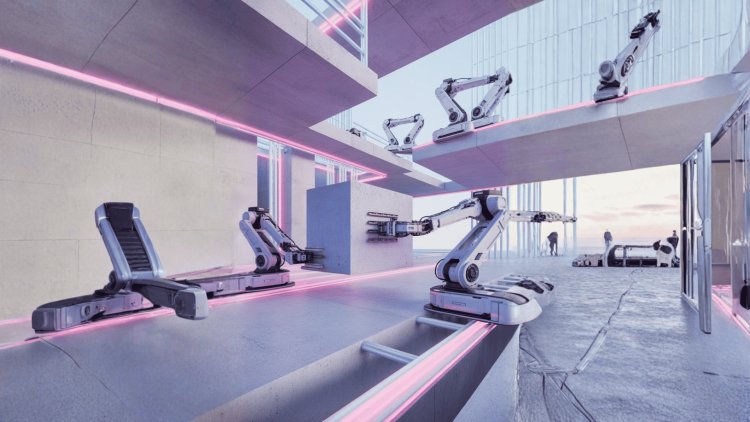
Robotic Fabrication
Advanced fabrication systems connect directly with detailing software, eliminating manual data transfer while enabling precise automation and large-scale customization of precast elements.
Strategic Roadmap
Your Next Steps: Embracing the Future
The transformation of precast detailing through AI and automation is already reshaping the industry. Organizations that adopt these technologies today are gaining measurable advantages in speed, precision, and scalability.
01
Assess Current Processes
Identify repetitive tasks, coordination bottlenecks, and manual workflows within your detailing process that could benefit from intelligent automation.
02
Research Solutions
Evaluate AI-powered BIM, detailing, and fabrication platforms specifically designed to improve precast coordination, modeling, and production efficiency.
03
Start with Pilot Projects
Implement automation on smaller-scale projects first to refine workflows, improve team adoption, and validate measurable performance gains.
04
Scale and Optimize
Expand successful automation strategies across your project portfolio while continuously improving workflows based on project data and operational feedback.
The Future of Precast Detailing Is Intelligent, Efficient, and Precise
By embracing AI and automation today, precast teams position themselves to deliver faster project execution, stronger coordination accuracy, and more scalable operations for the next generation of construction.