Understanding Fire-Rated Deck Systems
Fire safety isn't just a regulatory checkbox—it’s a fundamental design consideration that can save lives and protect property. Fire-rated deck systems play a critical role in containing flames, preventing structural collapse, and giving occupants precious time to evacuate during emergencies.
What Are Fire-Rated Deck Systems?
|
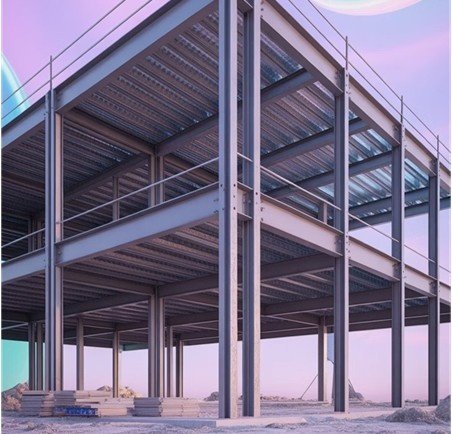
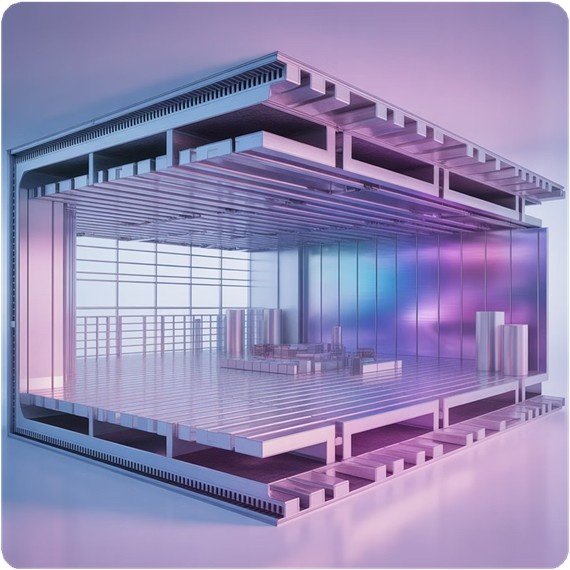
Core Definition Fire-rated deck systems are engineered floor and roof assemblies designed to resist fire for a specified duration. These systems combine steel or concrete decking with fire-resistant materials to create barriers that prevent fire spread between floors. The “rating” refers to how long the assembly can withstand standard fire test conditions while maintaining structural integrity—typically ranging from 1 to 3 hours. |
|
Understanding UL Fire Rating Systems
Underwriters Laboratories (UL) provides the gold standard for fire-rated assembly testing and certification through rigorously tested systems that meet strict performance criteria.
Assembly Design
Engineers specify exact materials, thicknesses, and installation methods for the complete system.
Laboratory Testing
The assembly undergoes standardized fire exposure testing to measure fire resistance and structural integrity.
Certification & Documentation
Successful assemblies receive a UL designation number along with detailed construction specifications.
Field Implementation
Contractors must follow UL specifications exactly to maintain the certified fire rating in real-world construction.
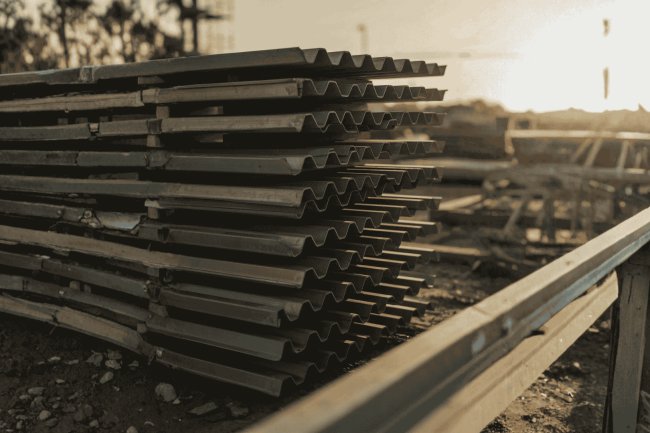
Forms the structural base, typically 22-gauge to 16-gauge corrugated steel that supports concrete or other floor toppings.
Lightweight or normal-weight concrete provides mass, structural capacity, and critical fire resistance for rated assemblies.
Spray-applied fireproofing, intumescent coatings, or rated ceiling membranes protect steel components from heat exposure.
Suspended ceiling systems with specific materials and configurations contribute significantly to the overall fire rating.
Key Components of Fire-Rated Deck Systems
Steel Decking
Concrete Topping
Fire Protection Materials
Ceiling Assembly
Different building types and occupancies require different fire-resistance ratings. Below are the most common systems compared by construction approach and performance.
Typical for low-rise commercial buildings and select residential applications. Commonly uses 3¼″ concrete over steel deck with spray-applied fireproofing on beams. Cost-effective, simple to construct, and widely specified.
Standard for mid-rise offices, hospitals, and schools. Requires 4½″–5½″ concrete and enhanced fire protection. Offers the best balance of performance, flexibility, and cost for mixed-use buildings.
Required for high-rise and high-occupancy structures. Uses 6″ or more concrete with comprehensive fireproofing. Higher material and labor costs, but essential for tall buildings and life-safety compliance.
Common Fire-Rated Deck Configurations
1-Hour Rated Systems
2-Hour Rated Systems
3-Hour Rated Systems
Why Fire-Rated Deck Systems Matter
Life Safety & Code Compliance
Fire-rated systems are legally required by the International Building Code (IBC) for most commercial structures. They provide critical time for occupants to evacuate safely and for firefighters to respond effectively.
Building officials review and approve fire-rated assemblies during the permitting process. Non-compliant or improperly installed systems can lead to project delays, costly corrections, or occupancy denials.
Structural Integrity & Insurance
During a fire, unprotected steel can lose up to 50% of its strength at 1,000°F and may collapse near 1,500°F. Fire-rated deck systems preserve structural integrity long enough to prevent catastrophic failure.
Insurance underwriters often mandate specific fire ratings based on occupancy and building height. Proper UL-listed documentation can reduce premiums and simplify approvals.
Design & Construction Best Practices
Achieving code-compliant fire ratings requires attention to detail throughout the design and construction process. Companies like Consac support project teams with engineering expertise, accurate CAD/BIM documentation, and coordination services that ensure fire-rated assemblies are specified and built correctly.
Start with UL-Listed Assemblies
Always begin with tested and certified UL systems rather than attempting to engineer custom assemblies. UL’s online directory provides detailed specifications for thousands of rated assemblies.
Coordinate Penetrations Early
Mechanical, electrical, and plumbing penetrations through fire-rated decks must use UL-listed firestop systems. Coordinate locations during design to avoid conflicts and ensure proper detailing.
Document Everything
Maintain complete records of product data sheets, installation procedures, and inspection reports. Building officials and insurance companies will require this documentation.
Don’t Substitute Materials
Every component—from deck gauge to fireproofing thickness—must match the UL specification exactly. Even minor substitutions can void the fire rating.
Key Takeaways for Your Next Project
Know Your Requirements
Identify required fire ratings early in design based on building type, height, and occupancy. Consult local building codes and fire marshals.
Choose Proven Systems
Specify UL-listed assemblies that align with structural and architectural requirements. Avoid unnecessary risk—use tested, certified solutions.
Plan for Coordination
Fire-rated systems affect multiple trades. Use BIM coordination to identify conflicts early and ensure all penetrations are properly detailed.
Partner with Experts
Engage experienced fire-rated construction consultants. Proper detailing and documentation prevent delays and protect occupant safety.
Fire-rated deck systems are non-negotiable elements of safe, code-compliant construction. By understanding UL systems, specifying proven assemblies, and maintaining rigorous documentation, project teams can deliver buildings that protect lives and property while meeting regulatory requirements.
What's Your Reaction?