Sustainability in Precast Detailing
Low-carbon mixes and reusable formwork are transforming the future of precast concrete construction
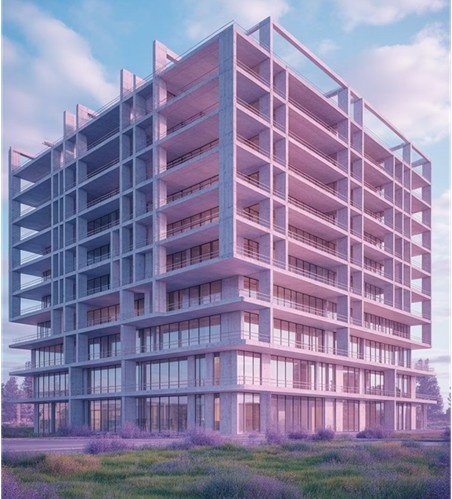
The Green Revolution in Precast Concrete
|
The construction industry is undergoing a major shift toward sustainability, and precast concrete detailing is leading this transformation. With buildings responsible for nearly 40% of global carbon emissions, the need to adopt greener practices has become increasingly urgent. Precast concrete manufacturers and detailing professionals are meeting this challenge with innovative solutions that reduce environmental impact while preserving structural integrity and performance. These advancements are redefining how concrete construction is approached from design through fabrication. |
|
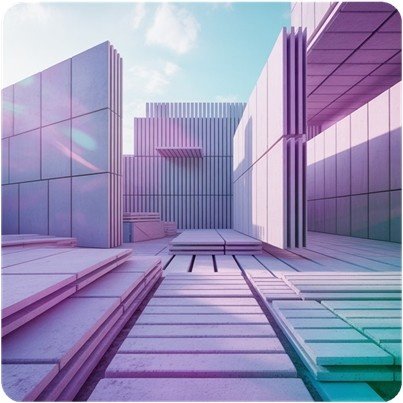
Understanding Low-Carbon Concrete Mixes
Sustainable concrete technologies are redefining precast construction by significantly reducing embodied carbon while maintaining structural performance and durability.
Supplementary Cementitious Materials
Replacing traditional Portland cement with fly ash, slag cement, or silica fume can reduce embodied carbon by 30–60% while enhancing durability and chemical resistance in precast elements.
Alternative Binders
Geopolymer concrete and alkali-activated materials offer carbon reductions of up to 80% compared to conventional mixes, opening new possibilities for ultra-low-carbon precast components.
Recycled Aggregates
Incorporating recycled concrete aggregates and reclaimed materials reduces waste streams while lowering the carbon footprint of raw material extraction and transportation.
The key to successful implementation lies in precise detailing that accounts for the unique properties of sustainable materials. Partnering with experienced detailing teams like Consac ensures mix designs are fully integrated into fabrication drawings and technical specifications.
Reusable Formwork Systems
Traditional Approach
- Single-use or limited-reuse forms
- High material waste per project
- Labor-intensive setup and teardown
- Inconsistent surface quality
- Limited design flexibility
Reusable Systems
- Modular forms with 100+ uses
- Minimal waste generation
- Streamlined installation process
- Consistent, high-quality finishes
- Adaptable to complex geometries
Modern reusable formwork systems represent a paradigm shift in precast manufacturing. These engineered solutions dramatically reduce material consumption while improving production efficiency and product consistency.
Detailing for Sustainable Success
Material Selection Integration
Coordinate with structural engineers to specify appropriate low-carbon mix designs that meet performance requirements while maximizing sustainability benefits.
Formwork Optimization
Design precast elements with standardized dimensions that leverage reusable formwork systems, reducing custom fabrication needs and material waste.
Connection Detailing
Develop efficient connection details that minimize embedded steel requirements while maintaining structural integrity and facilitating easier assembly.
Quality Documentation
Provide comprehensive shop drawings that clearly communicate sustainability specifications to fabricators, ensuring proper implementation of green strategies.
Effective precast detailing is the bridge between sustainable design intent and successful fabrication. Precision in documentation ensures that environmental benefits are realized without compromising structural performance or construction schedules.
Real-World Impact
Measurable performance improvements are already being realized on projects that adopt sustainable precast detailing and low-carbon construction strategies.
Carbon Reduction
Average CO₂ savings achievable through optimized low-carbon mix designs in precast concrete projects.
Waste Reduction
Material waste eliminated by transitioning from single-use to reusable formwork systems.
Time Savings
Production efficiency gains from standardized, reusable formwork compared to traditional construction methods.
These metrics represent real transformation happening across the construction industry. From parking structures to commercial developments, projects incorporating sustainable precast detailing practices are delivering measurable environmental gains alongside tangible economic benefits.
Building Tomorrow, Today
Set Sustainability Goals
Define clear carbon reduction targets for your next precast project and communicate them early in the design process to align all stakeholders.
Partner with Experts
Collaborate with experienced detailing professionals who understand sustainable materials, precast workflows, and modern manufacturing processes.
Implement and Innovate
Apply proven sustainable strategies today while remaining open to emerging technologies and materials that advance environmental performance.
The future of precast concrete construction is sustainable, efficient, and innovative. By embracing low-carbon mixes and reusable formwork systems today, we’re not just building structures—we’re building a more responsible industry.
The question isn’t whether to adopt these practices, but how quickly we can implement them across every project.
What's Your Reaction?