Ensuring Seamless Joist and Deck Coordination in Multi-Story Buildings
When structural framing meets architectural design, precision becomes everything. In multi-story construction, joist and deck coordination isn't just a technical requirement—it's the foundation of project success, affecting timelines, budgets, and structural integrity across every floor.
Why Joist and Deck Coordination Matters
Structural Integrity
Proper coordination ensures load paths are correctly established and maintained throughout the building height. Misaligned joists can compromise structural performance and create cascading issues across multiple floors.
Construction Efficiency
Coordinated joist layouts streamline installation sequences, reduce field modifications, and accelerate construction schedules. When everything aligns, crews work faster and more safely.
Cost Control
Early coordination prevents costly rework, material waste, and schedule delays. Getting it right the first time protects your bottom line and maintains project momentum.
Effective coordination between structure, decking, and building systems is critical to avoid costly redesigns and construction delays.
Mechanical, electrical, and plumbing systems often compete for the same space as structural joists. Ductwork, piping, and conduit runs must be carefully planned to avoid penetrations that weaken structural members or require expensive redesigns.
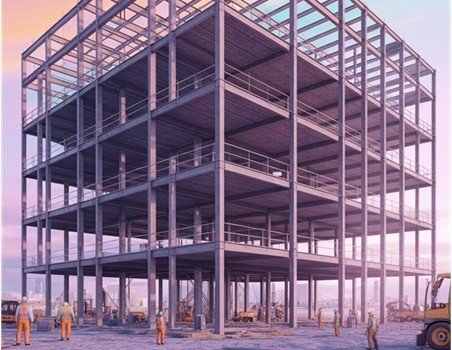
Multi-story buildings require joists to align vertically to maintain efficient load transfer. Misalignment between floors creates eccentric loading conditions and complicates column design, especially in buildings with varying floor plans.
Balancing deck span capabilities with joist spacing affects both material costs and structural efficiency. Over-conservative spacing wastes steel, while under-designed spans create deflection and vibration issues.
Joist-to-beam and deck-to-joist connections must accommodate tolerances while maintaining structural performance. Poor connection details lead to field fit-up problems and potential safety concerns during construction.
Common Coordination Challenges
MEP Conflicts
Vertical Alignment Issues
Deck Span Optimization
Connection Detailing
The BIM-Driven Coordination Process
3D Modeling
Build detailed joist and deck models in BIM software, incorporating actual member sizes, connection details, and support conditions.
Clash Detection
Run automated clash detection to identify conflicts with MEP systems, architectural elements, and other trades before fabrication begins.
Multi-Trade Review
Conduct coordination meetings with all stakeholders to resolve conflicts and optimize routing paths for maximum efficiency.
Documentation
Generate coordinated construction documents, shop drawings, and installation sequences that reflect all agreed-upon resolutions.
Best Practices for Multi-Story Coordination
Smart planning and disciplined coordination drive efficiency, cost control, and project success.
Early Engagement Strategy
Begin coordination during design development rather than construction documents. Early involvement of fabricators, erectors, and trade contractors identifies conflicts while changes remain affordable. Establish joist spacing and deck specifications that support MEP requirements while maintaining structural efficiency.
Standardization Approach
Develop typical joist layouts that repeat across multiple floors. Standardization reduces engineering time, simplifies fabrication, and accelerates field installation. Maintain a library of proven connection details and penetration solutions for consistent reference throughout the project.
Tolerance Management
Define clear tolerance requirements for joist placement, deck installation, and connection alignment. Realistic tolerances prevent overspecification while ensuring proper fit-up. Provide adjustment capacity at critical interfaces to manage field variability.
Pro Tip: Establish a Coordination Hierarchy Early
Structural elements typically take precedence, followed by major MEP systems and then architectural finishes. Clear priority rules prevent decision paralysis and keep coordination meetings focused and productive.
Technology Tools Driving Better Outcomes
Advanced BIM Platforms
Software like Revit, Tekla, and SDS2 enable precise joist and deck modeling with parametric intelligence. These tools automatically generate connection details, calculate loads, and produce fabrication-ready drawings that reduce errors and accelerate delivery.
Clash Detection Software
Navisworks and Solibri identify spatial conflicts before they become field problems. Automated clash detection runs continuously as the model evolves, catching coordination issues that manual review might miss.
Cloud Collaboration
Platforms like BIM 360 and Trimble Connect enable real-time model sharing across distributed teams. Cloud-based coordination ensures everyone works from current information, reducing version control issues and communication gaps.
Mobile Field Tools
Tablets and smartphones bring coordinated models to the jobsite. Field teams access current drawings, report issues instantly, and verify installation against design intent without returning to the trailer.
When coordination is done right, the results are measurable, repeatable, and transformative across schedules, costs, and communication.
Proper coordination eliminates field conflicts that cause delays, keeping projects on track.
Avoiding rework and optimizing material usage through precise coordination protects budgets.
Thorough upfront coordination dramatically reduces field questions and clarifications.
Organizations like Consac have refined coordination processes that consistently deliver these results across diverse project types. By combining deep structural expertise with advanced digital tools, coordination becomes a competitive advantage rather than a project risk.
Real-World Impact: Coordination Success
Schedule Reduction
Cost Savings
Fewer RFIs
Moving Forward with Confidence
Your Next Steps
1. Assess Your Current Coordination Process
Identify where conflicts typically emerge and measure how much they cost your projects in terms of time, rework, and money.
2. Invest in the Right Technology
Modern BIM and coordination tools quickly pay for themselves through reduced errors, improved collaboration, and faster project delivery.
3. Build Coordination into Your Schedule
Allocate dedicated time for multi-trade coordination meetings well before fabrication begins to avoid costly downstream changes.
4. Develop Standardized Details
Create a reusable library of proven joist and deck solutions that can be applied consistently across multiple projects.
5. Partner with Coordination Specialists
Engage firms with deep expertise in structural coordination and digital workflows to strengthen execution and reduce risk.
Seamless joist and deck coordination isn’t just about avoiding problems—it’s about creating opportunities for faster, more efficient, and more profitable construction. With the right processes, tools, and partners, multi-story projects become predictable successes rather than coordination nightmares.
What's Your Reaction?