Steel Joist 3D BIM Integration with Structural Analysis Software
Discover how integrating steel joist 3D BIM models with structural analysis software is transforming how we design, analyze, and build smarter structures4faster and with fewer errors.

Why Steel Joist BIM Integration Matters Now
Breaking Silos
Traditional workflows separate modeling and analysis, forcing manual data transfer that increases the risk of errors and rework.
Direct Model Connectivity
BIM-integrated analysis tools allow structural engineers to validate joist behavior without rebuilding geometry or duplicating data.
Performance Confidence
Integrated workflows improve accuracy in load path validation, deflection checks, and member optimization from concept to construction.
This integration is not just a workflow improvement—it is a shift toward greater accuracy, faster decision-making, and stronger confidence in structural performance throughout the entire project lifecycle.
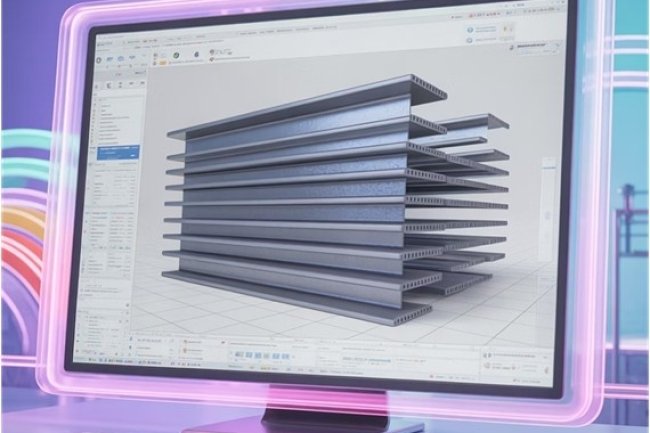
Steel joists are created in 3D BIM environments with embedded properties such as geometry, material grades, and connection data.
BIM models transfer seamlessly into analysis tools via IFC or APIs, eliminating manual re-entry and reducing translation errors.
Engineers evaluate stress, deflection, and load distribution using the exact BIM geometry while maintaining model linkage.
Analysis results update the BIM model automatically, enabling continuous optimization between design and structural performance.
How Steel Joist 3D BIM Models Work with Analysis Software
Intelligent Modeling
Direct Data Exchange
Real-Time Analysis
Feedback Loop
Automated workflows eliminate manual data transfer and geometry recreation, reducing coordination time from days to minutes.
A single source of truth ensures steel joist properties flow directly from BIM to analysis, reducing human error across workflows.
Multiple configurations can be tested quickly to identify the most efficient design without over-engineering or material waste.
Coordinated models ensure architects, engineers, and fabricators work from the same information, reducing conflicts and miscommunication.
Key Benefits of Integration
Accelerated Project Timelines
Enhanced Accuracy
Cost Optimization
Improved Collaboration
Large-span steel joist systems require precise load analysis for heavy equipment and storage. BIM integration allows engineers to model complex loading scenarios and optimize joist spacing for maximum efficiency.
Multi-story office structures benefit from integrated workflows that coordinate joist layouts with MEP systems, ensuring proper clearances and structural performance within tight architectural constraints.
Real-World Applications Across Project Types
Industrial & Warehouse
Commercial Buildings
Not all software speaks the same language. Using open standards like IFC and reliable APIs ensures steel joist data flows smoothly across different platforms and tool ecosystems.
Excessive modeling detail can slow analysis workflows. Smart BIM standards balance accuracy with performance by including only essential structural information.
Successful integration depends on training teams to work in connected BIM environments and establishing clear protocols for data exchange and model management.
Overcoming Common Integration Challenges
Data Format Compatibility
Level of Detail Management
Team Training & Adoption
Define how steel joists are modeled in BIM, including naming conventions, property requirements, and level of detail before project kickoff.
Standardization early in the process reduces downstream coordination issues and ensures consistency across all project stakeholders.
Use BIM and analysis tools with proven interoperability and test workflows through pilot projects before full deployment.
Compatibility reduces data loss and ensures smooth transition between modeling, analysis, and detailing platforms.
Engage detailers, engineers, and fabricators early so all stakeholders understand their role in the integrated workflow.
Early collaboration prevents misalignment and improves constructability across all systems.
Track model updates systematically and ensure analysis reflects the latest revisions through synchronization or automated alerts.
Controlled data management ensures every stakeholder works from a single source of truth.
Best Practices for Successful Implementation
Establish Clear Modeling Standards
Choose Compatible Software
Foster Cross-Discipline Collaboration
Implement Version Control
Integrated workflows reduce iteration time, enabling engineers to validate design options quickly and confidently.
Connected BIM and analysis ensure more accurate load validation, optimized member selection, and improved structural efficiency.
The Future of Steel Joist Design Is Connected
Faster Decision-Making
Better Engineering Outcomes
What's Your Reaction?