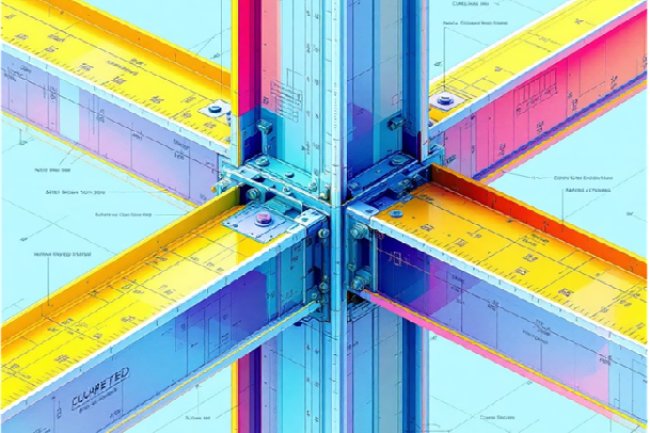
How to Start a Steel Detailing Business
Steel detailing is a specialized field that combines engineering precision with digital craftsmanship. Whether you're a CAD professional looking to branch out or an experienced structural draftsman ready to go independent, starting a steel detailing business offers significant opportunities in today’s construction market. This guide outlines the essential steps to launch and grow a successful steel detailing venture.

Understanding the Steel Detailing Landscape
What Steel Detailers Do
Steel detailers create precise shop drawings and fabrication plans that translate structural engineering designs into buildable reality. You'll produce connection details, erection drawings, and material lists that fabricators and erectors use on-site.
The work requires mastery of industry software, understanding of structural principles, and knowledge of fabrication processes. It's technical work that directly impacts project safety and efficiency.
Market Opportunities
The demand for steel detailing services continues growing across commercial construction, industrial facilities, and infrastructure projects. General contractors, steel fabricators, and engineering firms regularly outsource detailing work.
Specializing in specific project types—like high-rises, bridges, or industrial plants—can help you stand out. Understanding both domestic and international building codes expands your potential client base significantly.
Essential Skills and Technical Foundation
Software Proficiency
Master industry-standard tools like Tekla Structures, SDS/2, or AutoCAD with structural add-ons. Advanced 3D modeling capabilities are now expected across most projects.
Structural Knowledge
Understand connection design, load paths, and fabrication constraints. Solid structural fundamentals are non-negotiable for quality work, even without a PE license.
Quality Standards
Familiarize yourself with AISC standards, building codes, and quality control processes. Accuracy in detailing directly affects project safety and fabrication efficiency.
Pricing Your Services Strategically
Hourly Rate Model
Charging by the hour works well when project scope is uncertain or involves significant revisions. Typical rates range from $45–$85 per hour depending on experience, complexity, and location. Track time meticulously and communicate regularly about hours invested.
Per-Ton Pricing
Many fabricators prefer per-ton pricing because it aligns with how they sell steel. Rates typically range from $30–$80 per ton based on project complexity, connection types, and drawing requirements. Accurate tonnage estimates upfront are essential.
Fixed-Price Contracts
Lump-sum pricing provides budget certainty for clients but requires accurate estimation of effort. Best used when scope is well-defined. Include contingencies for typical revisions and coordination requirements. Reflect the value you deliver.
Finding and Winning Your First Clients
Direct Outreach Strategy
Target steel fabricators, general contractors, and structural engineering firms in your region. Personalized outreach explaining how you solve specific challenges works better than generic proposals.
Attend industry events like AISC conferences, local construction association meetings, and trade shows. Bring portfolio samples showcasing your technical capabilities and attention to detail.
Building Digital Presence
Create a professional website showcasing services, project portfolio, and technical capabilities. Share detailed case studies to educate potential clients and build credibility.
Use LinkedIn for B2B networking in construction. Share insights, updates, and project successes to remain visible to decision-makers.
Pro Tip
Your first clients might come through former colleagues or industry contacts. Leverage existing relationships wisely, ensuring no non-compete agreements are violated.
Scaling Operations and Managing Growth
01. Systemize Your Workflow
Document standard processes for project intake, quality checks, and deliverable creation. Consistent workflows improve efficiency and make it easier to bring on additional detailers as you grow.
02. Build Strategic Partnerships
Form relationships with complementary service providers—structural engineers, BIM consultants, or other detailing firms. Partnerships enable you to take on larger projects and provide overflow capacity during busy periods.
03. Invest in Your Team
As workload increases, hire skilled detailers or train junior staff. Remote work arrangements expand your talent pool significantly. Strong training systems ensure consistent quality as your team grows.
04. Diversify Your Services
Consider expanding into related offerings like 3D BIM modeling, connection engineering support, or clash detection services. Diversification stabilizes revenue and increases your value to clients.
Key Takeaways for Success
Master Technical Fundamentals
Your reputation depends on accurate, high-quality deliverables. Invest time developing deep expertise in your software and structural principles before launching your business.
Build Relationships
Steel detailing sits at the intersection of design, fabrication, and construction. Strong relationships with all stakeholders create referral networks and repeat business opportunities.
Price for Value
Quality detailing prevents expensive errors and delays. Don't compete solely on price—differentiate through expertise, responsiveness, and reliability.
Focus on Consistency
Meeting deadlines and maintaining accuracy builds the reputation that sustains long-term success. One quality issue can damage relationships that took months to build.
Starting a steel detailing business requires technical expertise, business acumen, and persistence. The market offers substantial opportunities for skilled professionals who deliver reliable, accurate work. With careful planning, strategic positioning, and commitment to quality, you can build a thriving business serving the construction industry's ongoing needs.
What's Your Reaction?