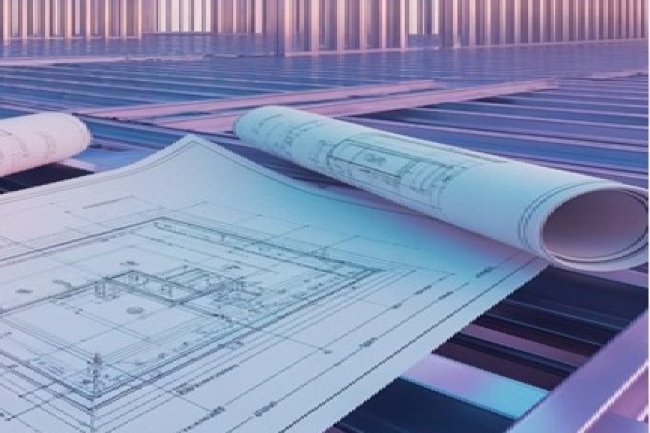
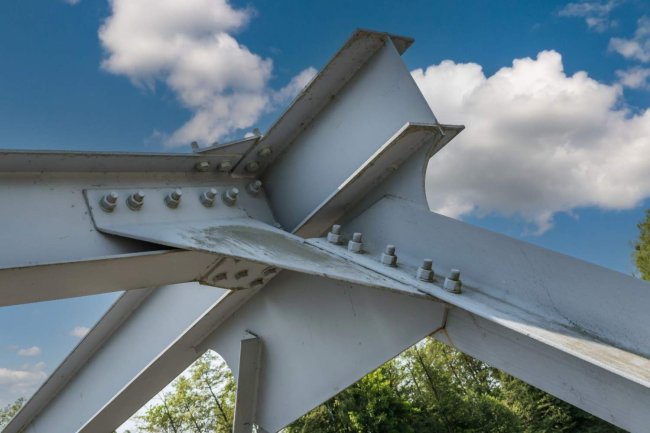
Streamlining Joist and Deck Coordination with 3D BIM Modeling
In today's fast-paced construction environment, coordinating structural elements like joists and decking has become increasingly complex. Traditional 2D drawings often fall short in capturing the intricate relationships between these systems, leading to costly field conflicts and delays. Three-dimensional Building Information Modeling (BIM) is transforming how teams approach joist and deck coordination, enabling seamless collaboration and precision from design through installation.
The Challenge: Why Traditional Coordination Methods Fall Short
Conventional 2D coordination struggles to manage the complexity of modern steel joist and deck systems. As building systems become more integrated, the cost of poor coordination rises dramatically.
Common Coordination Issues
- • Conflicts between joists and MEP systems
- • Misaligned bearing points and connections
- • Inadequate clearances for installation
- • Last-minute field modifications
- • Communication gaps between trades
The Cost of Poor Coordination
When joist and deck systems aren't properly coordinated in advance, projects face serious consequences. Field changes delay schedules, increase material waste, and introduce safety risks during installation.
The complexity multiplies when acoustic, cellular, and composite deck systems interact with structural steel, concrete, and building services. Without a comprehensive 3D model, project teams are effectively working blind until installation begins.
How 3D BIM Transforms Joist and Deck Coordination
A digital-first coordination workflow that eliminates conflicts, accelerates approvals, and delivers fabrication-ready accuracy.
Intelligent Modeling
Create parametric 3D models of joist systems, including open web joists, joist girders, and deck profiles with accurate geometric and physical properties embedded directly into the model.
Multi-Trade Coordination
Overlay structural, architectural, and MEP models to identify conflicts before fabrication begins, allowing all disciplines to see how their systems interact in real space.
Automated Clash Detection
Run systematic clash detection routines that identify hard clashes, soft clashes, and clearance violations, generating detailed reports for resolution by the appropriate teams.
Fabrication-Ready Outputs
Extract shop drawings, connection details, and material schedules directly from the coordinated model, ensuring what's designed is exactly what gets fabricated and installed.
Key Benefits of BIM-Based Joist Coordination
How coordinated BIM workflows improve constructability, efficiency, and project outcomes.
Reduced Field Conflicts
Identify and resolve clashes during the design phase, minimizing costly on-site surprises and change orders that impact schedules and budgets.
Faster Installation
Pre-coordinated systems install smoothly with fewer delays, as installers have confidence that everything fits as designed and detailed.
Cost Savings
Eliminate waste from incorrect fabrication, reduce labor hours spent on field modifications, and avoid premium shipping for replacement materials.
Enhanced Collaboration
All stakeholders work from a single source of truth, improving communication between designers, engineers, fabricators, and installers throughout the project lifecycle.
Critical Elements to Model for Effective Coordination
A coordination-ready BIM model captures both permanent systems and construction-stage requirements to avoid conflicts and delays.
Structural Components
- Joist profiles and depths
- Bearing seats and connections
- Bridging and bracing
- Deck fastening patterns
- Edge conditions and supports
Interface Details
- Deck penetrations for utilities
- Pour stops and concrete edges
- Ceiling attachment points
- Fire protection requirements
- Acoustic isolation details
Installation Sequences
- Erection zones and phasing
- Temporary support requirements
- Access and laydown areas
- Crane positioning and reach
- Safety tie-off points
Implementation Strategy: Getting Started with BIM Coordination
Step-by-step approach for modeling, coordination, fabrication, and field verification using BIM.
Model Development
Create detailed 3D models of joist and deck systems using manufacturer specifications and project requirements. Establish level of detail (LOD) standards appropriate for coordination purposes, typically LOD 300-350.
Coordination Meetings
Schedule regular coordination sessions where all trades review the federated model together. Use collaborative platforms that allow real-time mark-ups and issue tracking to maintain accountability.
Clash Resolution
Systematically address identified conflicts through design modifications, route adjustments, or strategic penetrations. Document all resolution decisions and update models accordingly.
Shop Drawing Production
Generate fabrication drawings and material schedules from the coordinated model. Cross-reference with specifications to ensure compliance before issuing for fabrication approval.
Field Verification
Use the model during construction for field verification and as-built documentation. Mobile devices allow installers to reference the 3D model on-site for real-time guidance.
Advanced Applications & Future Trends
- Virtual Reality Reviews: Immersive VR coordination sessions allow teams to "walk through" the space and identify issues that might not be apparent in 2D or standard 3D navigation.
- Augmented Reality Installation: AR-enabled devices overlay the BIM model onto the physical space, helping installers verify positioning and identify discrepancies in real time.
- Automated Fabrication: Direct model-to-fabrication workflows reduce errors and accelerate production.
Building Better Through Better Coordination
Start Early
Begin BIM coordination during design development, not after construction documents are complete. Early coordination prevents fundamental conflicts that are difficult to resolve later.
Invest in Training
Ensure your team has the skills to effectively use BIM tools and understand coordination workflows. Technology is only as effective as the people operating it.
Define Standards
Establish clear modeling standards, file naming conventions, and coordination protocols at project kickoff. Consistency across teams prevents confusion and rework.
Embrace Collaboration
Create a culture where identifying issues is rewarded, not penalized, to encourage proactive problem-solving and better project outcomes.
Three-dimensional BIM modeling has fundamentally changed how the construction industry approaches joist and deck coordination. By catching conflicts before they reach the field, improving communication across disciplines, and creating fabrication-ready documentation, BIM delivers measurable value on every project. As the technology continues to evolve with VR, AR, and automated fabrication, the gap between design intent and built reality will continue to shrink, making construction more efficient, predictable, and profitable.
What's Your Reaction?